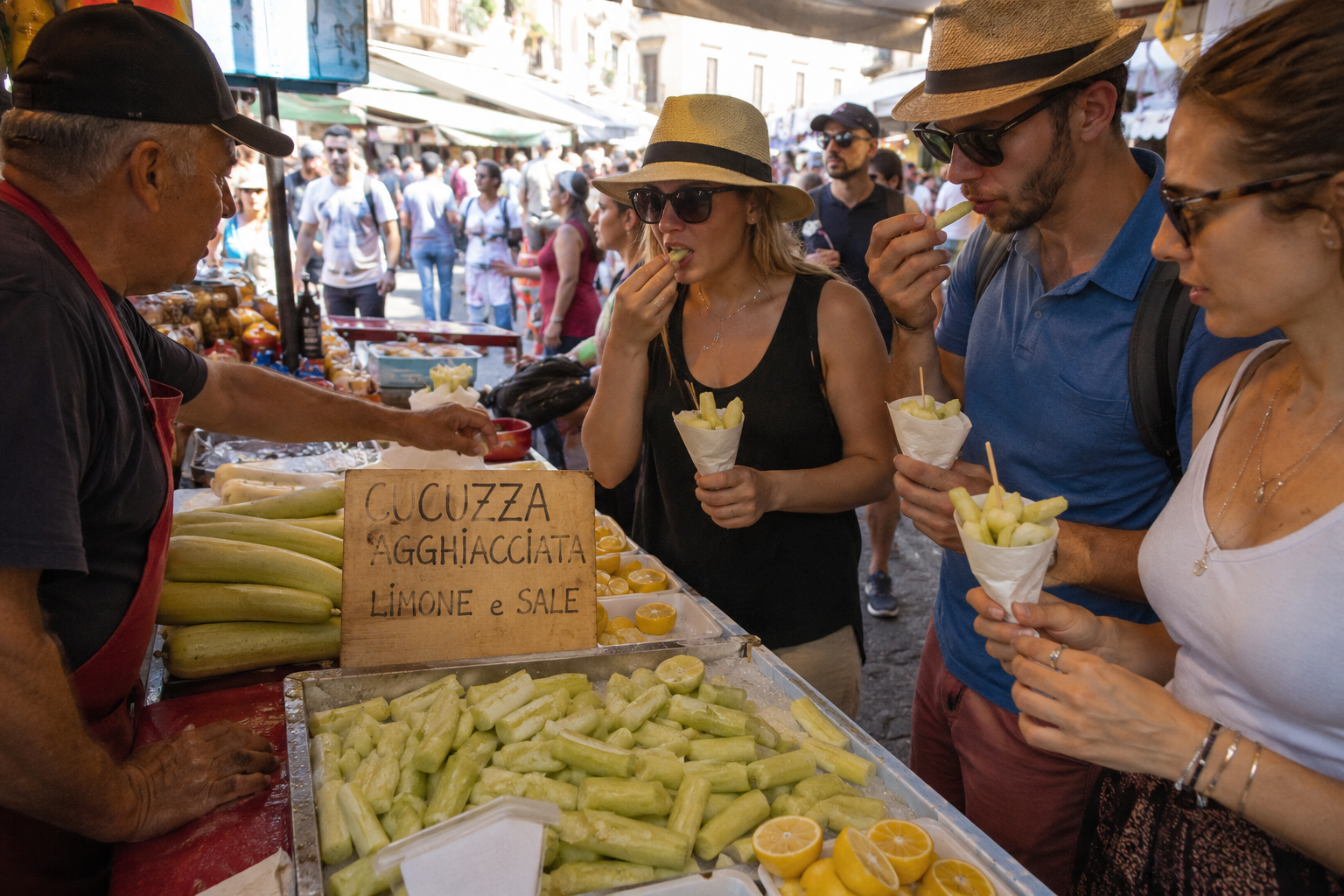
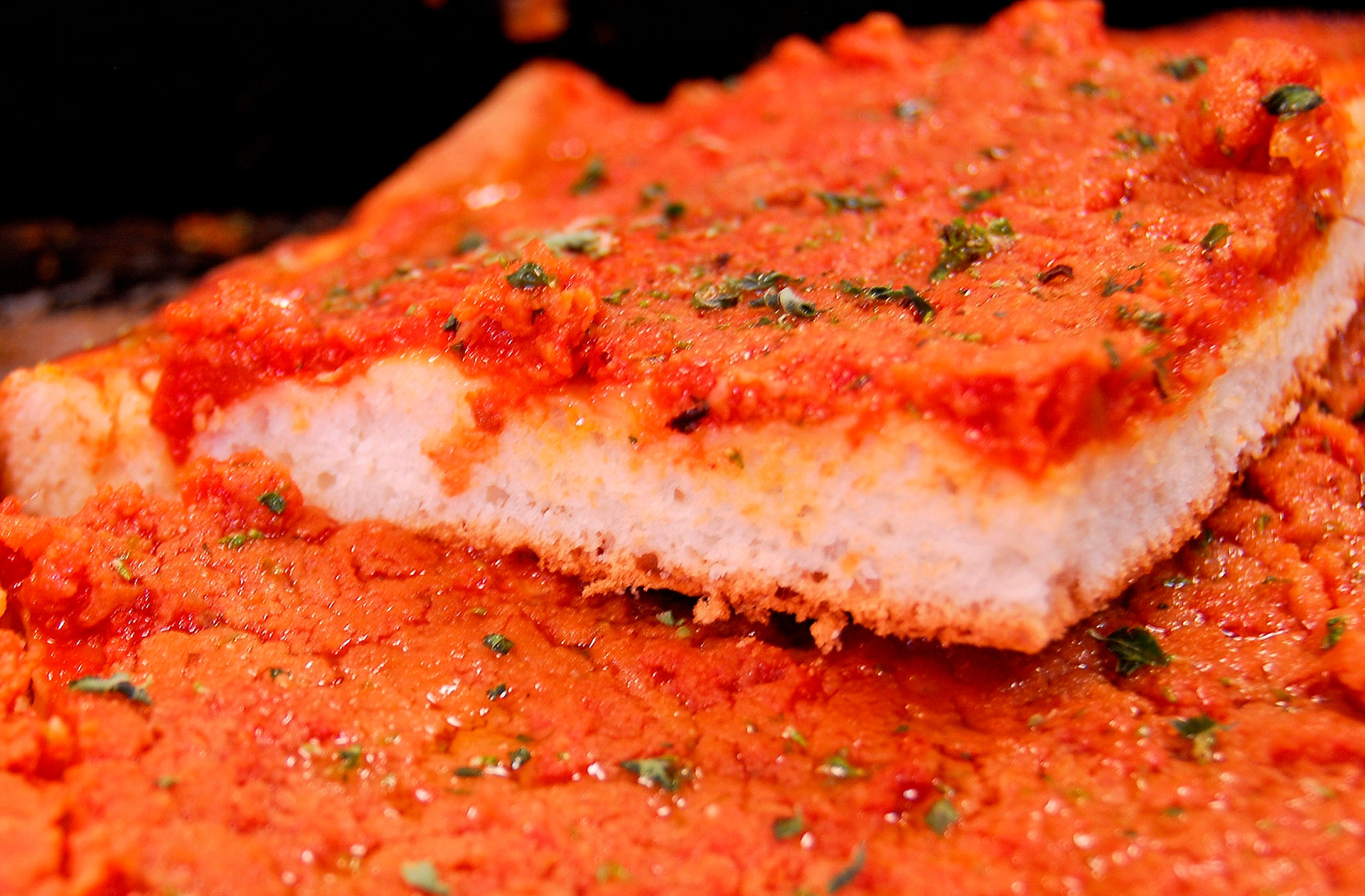
If there's one thing that represents Palermo like no other, it's sfincione. A beloved Sicilian specialty for both locals and tourists, the Palermitan sfincione is not just a dish, but a true symbol of the city's culinary tradition. This soft, spongy focaccia, topped with tomatoes, onions, anchovies, and a sprinkle of breadcrumbs, tells an ancient story rooted in Sicily's popular culture.
The History of Sfincione Palermitano
The term "sfincione" likely comes from the Latin word "spongia," meaning sponge, clearly referring to the soft and fluffy texture of this focaccia. Sfincione originated as a humble dish, prepared mainly during holidays and special occasions, when Palermo's peasant families would gather to share food and conviviality.
Traditionally, sfincione was made by the nuns of the San Vito Monastery in Palermo, who enriched a simple white focaccia, the daily bread of the poor, with ingredients like onions and tomatoes. Today, sfincione has become an icon of Sicilian gastronomy, recognized worldwide as a prime example of authentic and delicious street food.
The Recipe for Sfincione Palermitano
The recipe for sfincione is as simple as it is flavorful. Here's how to prepare an authentic sfincione:
Ingredients for the dough:
- 400g of type 0 flour (or type 00)
- 100g of re-milled durum wheat semolina
- 350ml of lukewarm water
- 3 tablespoons of extra virgin olive oil
- 5g of salt
- 10g of fresh yeast
Ingredients for the topping:
- 500g of peeled tomatoes
- 200g of onions
- 3 anchovy fillets in oil
- 3 tablespoons of extra virgin olive oil
- A pinch of salt
Preparation:
- Dough: Dissolve the yeast in lukewarm water. In a bowl, mix the flour, semolina, and salt. Add the water with the yeast and the oil, knead until the dough is smooth and homogeneous. Let the dough rise, covered, for about two hours, until it doubles in size.
- Topping: In a pan, sauté the thinly sliced onions in the olive oil. Add the peeled tomatoes and cook on low heat until you get a thick sauce. Stir in the anchovies until they dissolve into the sauce.
- Assembly: Spread the dough on a greased baking tray, cover it with the sauce, and sprinkle breadcrumbs over the top. Bake at 200°C (about 390°F) for around 30 minutes, until the sfincione is golden on the surface.
Variations of Sfincione
Although the Palermitan version is the most famous, there are other variations of sfincione worth trying. One of these is the Bagherese sfincione, originating from Bagheria, a town near Palermo. Unlike the Palermitan version, the red sauce is replaced with ricotta and caciocavallo cheese, making it creamier and richer.
Another lesser-known but equally delicious variation is the sfincione with tuma, an unaged Sicilian cheese, which serves as the base for the topping. Finally, Sicilian families often have their own personalized versions of sfincione, adding ingredients like olives, capers, or chili peppers for a spicy twist.
Where to Eat the Best Sfincione in Palermo
If you're visiting Palermo, you can't miss the experience of tasting a sfincione made to perfection. Here are the best places to find this delicacy:
- Antica Focacceria San Francesco: This historic spot in the heart of the city is a must for lovers of Sicilian food. Their sfincione is made following the traditional recipe, with a modern touch.
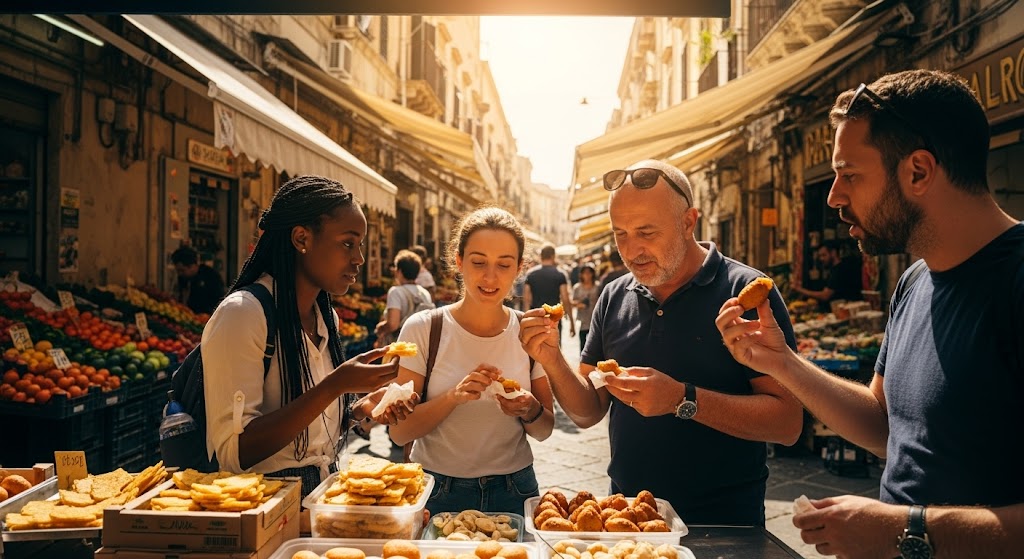
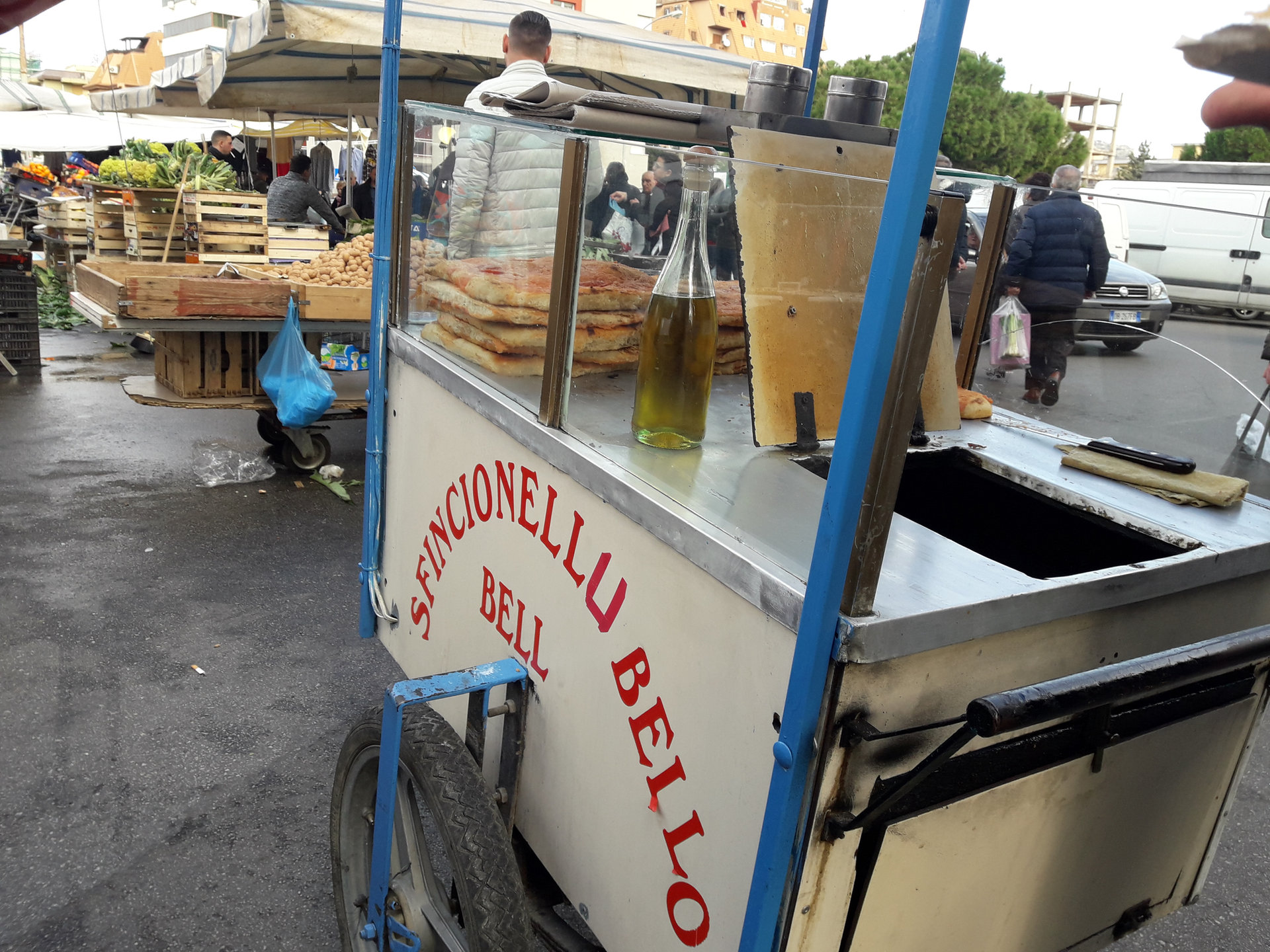
- Il Capo Market: One of Palermo's oldest markets, where sfincione is sold directly from street vendors. Here, you can enjoy freshly baked sfincione, wrapped in brown paper, just like tradition dictates.
- Panificio Morello: Known for its baked goods, this bakery makes one of the best sfinciones in town, perfect for a quick snack or a casual dinner.
- Panificio Matranga: Located in the Zisa neighborhood, this small bakery is popular among locals for its soft sfincione with a unique flavor.
1. Fun Facts about Sfincione
Sfincione is considered the ultimate street food and is always present during festivities such as Santa Lucia on December 13, when Palermitans avoid eating pasta and bread in favor of dishes like sfincione, arancine, and other specialties. Moreover, the Sicilian dialect has expressions tied to sfincione: street vendors often shout "Chi ciavuru!" (what a smell!) to attract passersby.