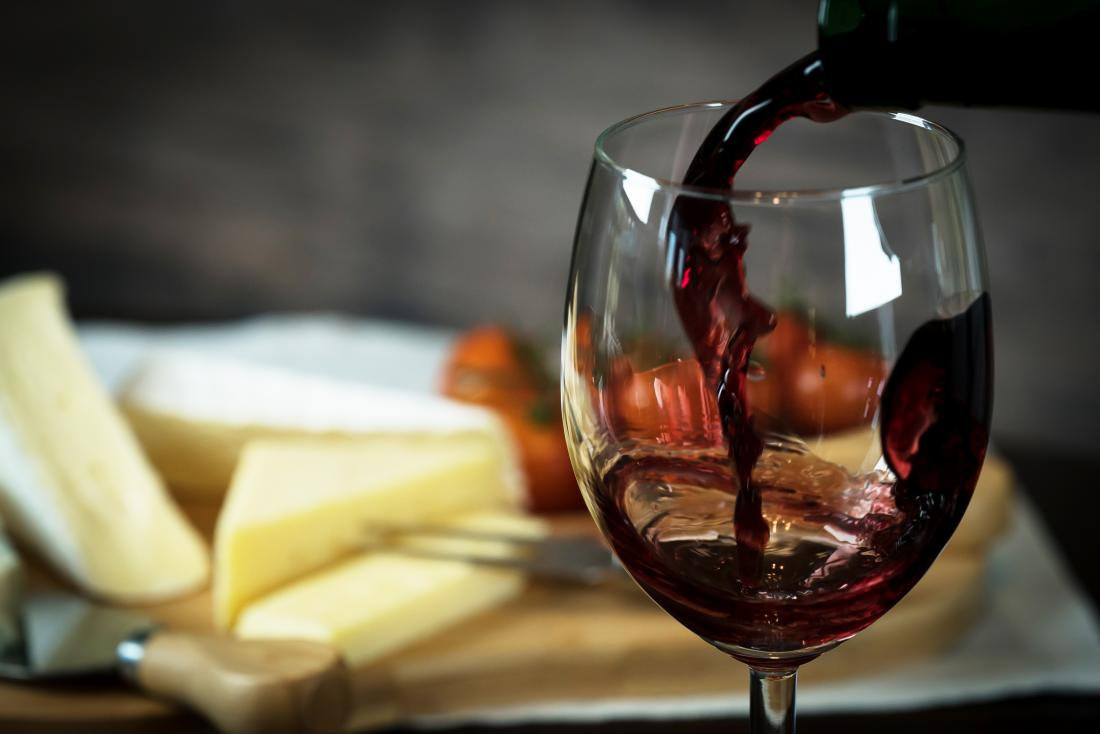
Sicily is a land of contrasts and wonders, an island that holds an extraordinary variety of landscapes, microclimates, and terroirs. This richness is also reflected in its wine production, which has roots in a millennia-old history and is now considered one of the most dynamic and fascinating in Italy. With GREAT-Sicily DMC, you can discover Sicily's wine excellences through exclusive itineraries, cellar tastings, and personalized tours in the most iconic wine regions of the island.
The History of Wine in Sicily: From Its Origins to Today
Viticulture in Sicily has a millennia-old tradition, rooted in the ancient Mediterranean civilizations. The Phoenicians introduced vine cultivation as early as the 1st millennium BC, followed by the Greeks, who perfected winemaking techniques and integrated wine into their culture and rituals. The Romans further developed production, improving wine preservation and spreading Sicilian wine throughout the Empire. During the Arab domination, despite religious restrictions, new agricultural methods were developed, improving grape quality. The Normans and Spaniards brought innovations in cultivation systems and trade, opening new markets.
In the 19th century, Marsala became famous thanks to the English, who appreciated its qualities and spread it worldwide. Today, Sicily is one of the most dynamic and innovative wine regions in Italy, capable of combining tradition and experimentation. Thanks to its variety of terroirs and native grape varieties, Sicilian wines stand out for their complexity and authenticity, conquering international markets and receiving prestigious recognition.

Sicily is a land of ancient and fascinating wines, where each indigenous grape variety tells a unique story. From robust reds to aromatic sweet wines, let's explore ten Sicilian grape varieties—Nero d’Avola, Frappato, Perricone, Nerello Mascalese, Grillo, Catarratto, Inzolia, Zibibbo, and Moscato—uncovering their legendary origins, distinctive aromas, ideal terroirs, traditional winemaking techniques, delicious pairings, and fascinating curiosities closely linked to the island’s culture. Prepare yourself for an enological journey through sunny vineyards, ancient traditions, and authentic flavors of warm Sicily.
Nero d’Avola: The Prince of Sicilian Reds
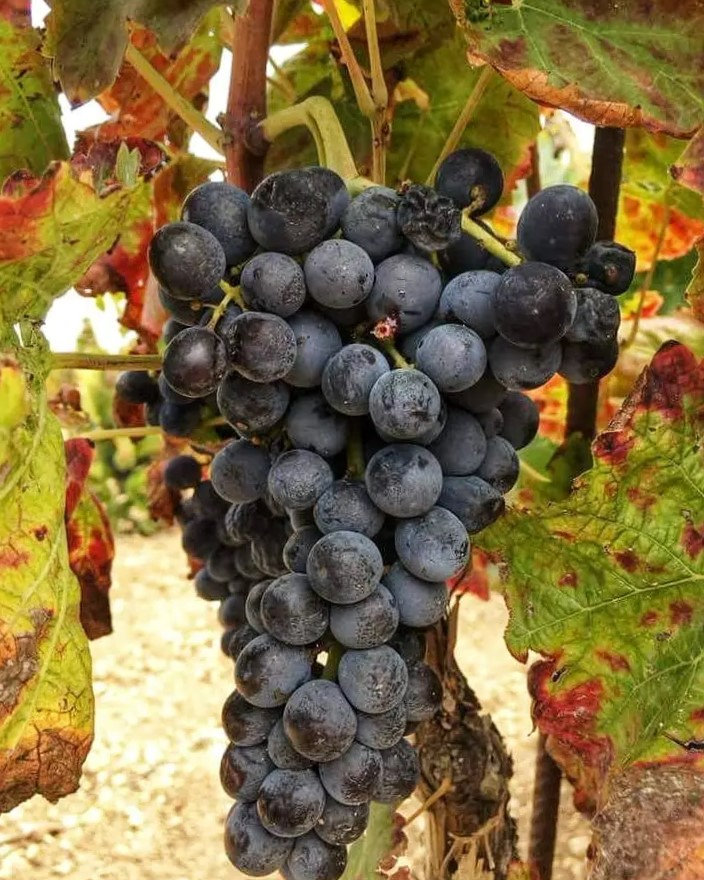
Ripe bunches of Nero d’Avola grapes grown on bush vines in southern Sicily.
History and Origin: Nero d'Avola is considered the king of Sicilian red grapes, often referred to as the "Prince" of the island's wines. Originating from the area around Avola, near Syracuse, its tradition spans centuries, with historical records dating back to the 16th century. Historically, it was primarily used as a blending wine, providing color, body, and strength to wines from northern Italy and France. Its ancient synonym "Calabrese" might mislead some to believe it originated from Calabria, but the name actually comes from the dialect term "Calaurisi," meaning "grape from Avola." An interesting anecdote from the 19th century tells of Sicilian merchants leveraging the "Calabrese" name to sell wine more easily to the French, as wines from Calabria were highly esteemed at that time. Today, Nero d'Avola is cultivated throughout Sicily, thriving particularly in the southeastern areas (Avola, Noto, Pachino) and the provinces of Agrigento and Caltanissetta.
Characteristics and Aromatic Profile: Nero d'Avola wines exhibit an intense ruby red color. On the nose, it offers rich and varied aromas, including dark fruits like black cherry, plum, blackberry, and ripe cherries, floral notes such as violet in younger wines, and sweet spices like licorice and vanilla after aging in oak. On the palate, it is warm, structured, and enveloping, with soft, velvety tannins balanced by excellent acidity, which gives it substantial aging potential. The alcohol content is often high due to the abundant accumulation of sugars in the grapes under the Sicilian sun. The terroir significantly influences the wine’s profile: those from western Sicily are fruitier and softer, whereas southeastern wines tend to be more refined and spicier, with hints of dried flowers.
Production Areas and Terroir: This grape variety has adapted splendidly to the island's hot, dry climate. It favors calcareous soils, and the traditional cultivation method is the Greek "alberello" (bush vine), low and free-standing, ideal for arid regions. Besides the area around Syracuse, Nero d'Avola is extensively cultivated in Agrigento, Caltanissetta, and several other provinces, covering a large area across Sicily. It's also an essential grape in the Cerasuolo di Vittoria DOCG—the only DOCG wine in Sicily—blended with Frappato.
Typical Winemaking Techniques: Following harvest, typically around late September, Nero d’Avola grapes may be vinified in stainless steel to preserve their fruity freshness, or aged in wood for complexity. Nowadays, you can find both youthful versions, fermented and aged in steel to highlight fruitiness, and robust, barrique-aged wines designed for aging. Its versatility allows for a range from young, fruit-forward wines to structured, oak-aged versions suited for prolonged aging.
Food Pairings: The more structured Nero d'Avola wines pair wonderfully with red meats, roasts, game dishes, and hearty pasta dishes with rich sauces, such as pasta ‘ncaciata from Messina, prepared with cheese, eggs, and basil. Mature cheeses also complement its flavor profile perfectly. Younger, fruit-driven versions work well with flavorful dishes like stuffed meats or seafood preparations, such as garlic-and-cheese-stuffed fish. In general, any savory and juicy dish pairs beautifully with Nero d'Avola.
Curiosities: Beyond the previously mentioned story surrounding the "Calabrese" name, it's fascinating how Nero d’Avola achieved global recognition relatively recently. Thanks to dedicated and visionary producers, it transitioned from a robust blending wine into an emblem of Sicilian winemaking excellence. Today, Nero d’Avola is cultivated widely throughout Sicily and has even captured the attention of wine enthusiasts worldwide, becoming an international symbol of Sicilian quality wines.
Frappato: The Elegant Soul of Vittoria
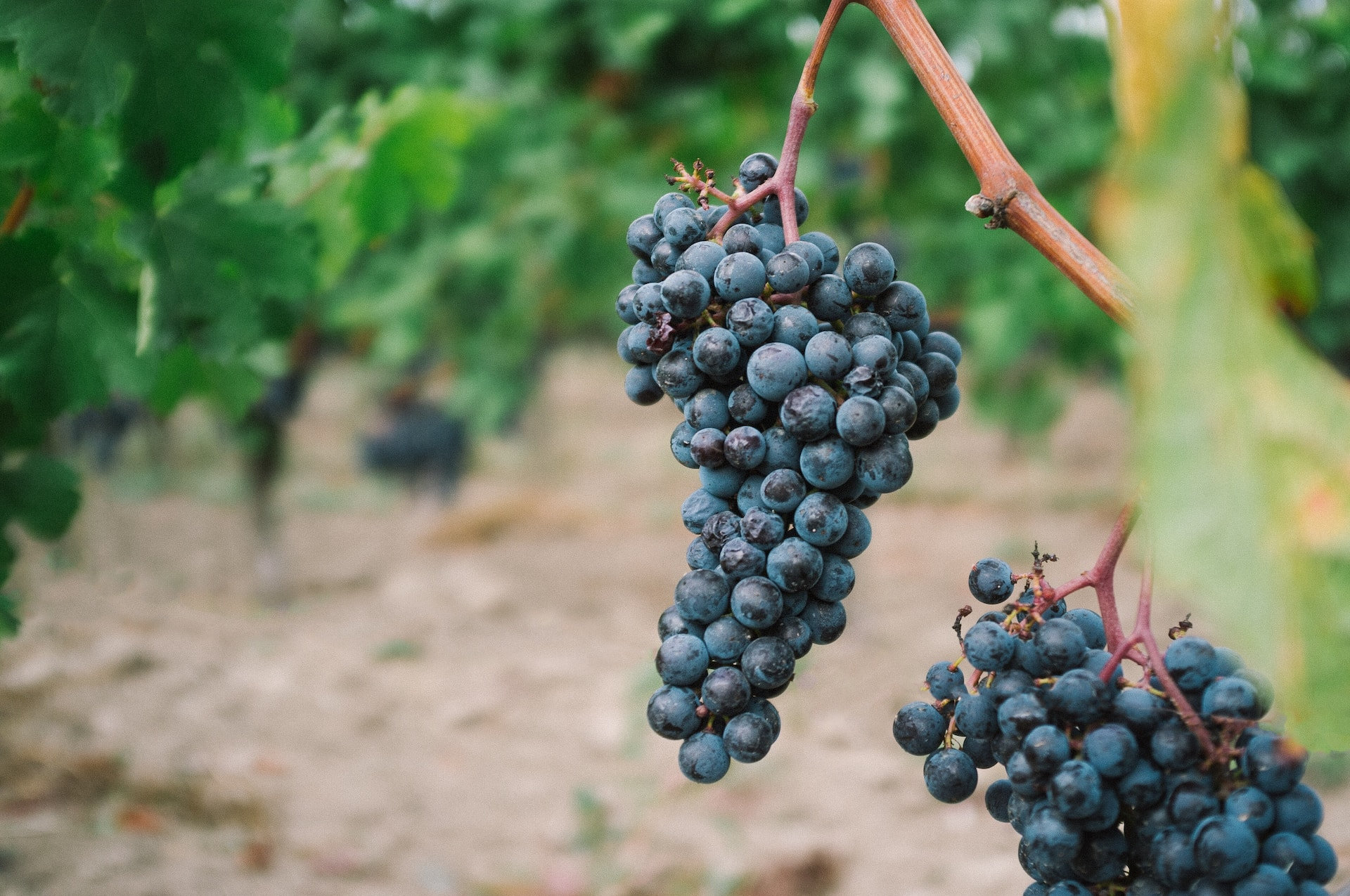
History and Origin: Frappato is an ancient red grape variety that represents the delicate and fragrant side of Sicilian reds. Its history is closely tied to the town of Vittoria in the Ragusa area, founded in 1607 by Countess Vittoria Colonna Henriquez. Legend says the noblewoman granted land to settlers under the condition that half of it be cultivated with vineyards, thus spreading Frappato in the region. The earliest documented mentions of Frappato date back to the 18th century, but oral traditions suggest it existed at least since the 17th century around Ragusa. The name "Frappatu" in dialect means "fruity," a clear reference to its seductive bouquet. Some theories propose a Spanish (Iberian Peninsula) origin, possibly introduced during Aragonese rule, but its spiritual homeland remains Vittoria. For centuries considered a "minor" grape and mainly blended with Nero d'Avola (notably in Cerasuolo di Vittoria DOCG, where it adds freshness and aroma), Frappato’s unique personality as a varietal wine has only emerged in recent decades, shifting perceptions towards a more refined and versatile Sicilian red.
Characteristics and Aromatic Profile: Pure Frappato produces wines of a bright, translucent ruby red color. It offers a fine aromatic explosion of wild strawberries, cherry, and pomegranate, delicate floral hints (violet, rose), and subtle spicy and mineral notes. Medium-to-light-bodied on the palate, it's fresh, savory, and harmonious with soft, balanced tannins. Frappato distinctly contrasts with Sicily's robust reds, standing out due to its floral freshness and lightness, earning it a reputation as an "atypical" Sicilian red. Its low tannins and lively acidity make it particularly pleasant when served slightly chilled, evoking a stroll through a spring garden in sunny rural Sicily.
Production Areas and Terroir: Frappato thrives in southeastern Sicily, particularly around Vittoria (Ragusa) and neighboring towns like Acate, Comiso, and Chiaramonte Gulfi, extending towards Syracuse (Noto, Pachino). The region features light, sandy soils with calcareous and siliceous origins, mixed with layers of compact clay and limestone beneath. These well-drained soils, combined with the hot, dry climate tempered by sea breezes, create ideal conditions for Frappato. Traditionally, vines are bush-trained with short pruning and low yields to concentrate aromas. Frappato buds early but ripens late, usually harvested around late September. Although small quantities are grown elsewhere (such as in the Eloro, Alcamo, and Sicilia DOC areas), it best expresses its refined character in Ragusa’s sandy terroir.
Typical Winemaking Techniques: Winemakers focus on preserving Frappato’s delicate aromatics. Temperature-controlled fermentations and relatively short macerations help extract color without excessive tannins. Frappato typically avoids wood aging, maturing instead in stainless steel or cement tanks for several months to maintain its floral and fruity notes. Some producers experiment with rosé or sparkling brut rosé versions, capitalizing on the grape’s acidity and aromatics. However, it primarily thrives as a young red wine, captivating wine enthusiasts as an everyday red noted for its elegance.
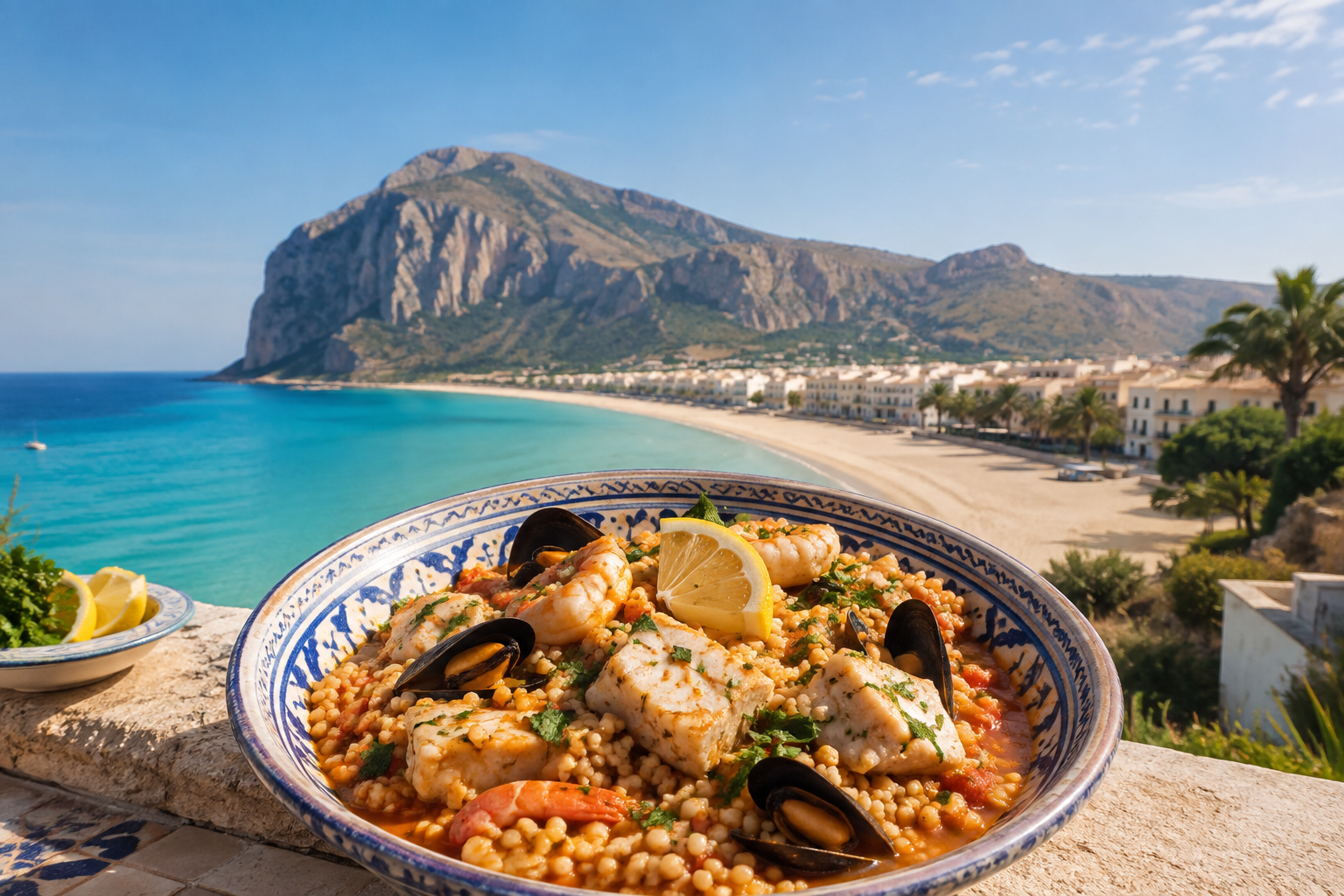
Food Pairings: Frappato’s versatility allows unusual pairings for a red wine. Its freshness complements fish dishes along the Sicilian coast wonderfully, such as seafood soups, vegetable and fish couscous, seared tuna, sushi, or grilled swordfish. It also pairs superbly with traditional Ragusan pasta dishes, like cavatelli with pork sauce or vegetable pastas (such as pasta with tenerumi), enhancing flavors without overpowering. Salumi like fennel-seasoned sausage from Chiaramonte and fresh or moderately aged cheeses match beautifully. In summer, slightly chilled Frappato is perfect for aperitifs with cheeses, olives, and panelle. Its refined lightness makes it an ideal summer red, able to accompany spicy or sweet-and-sour dishes, surprising those accustomed to associating Sicilian reds exclusively with strength and high alcohol.
Curiosities: Frappato’s bond with Vittoria is so strong that a prominent local winemaker named one wine "1607," commemorating the town’s founding year and the birth of its winemaking tradition. Additionally, Cerasuolo di Vittoria—a blend of Nero d'Avola and Frappato—is the only Sicilian wine awarded DOCG status, highlighting the significance of this historic blend. Frappato is among the few moderately aromatic Sicilian red grapes, with some experts hypothesizing genetic links to aromatic Iberian varieties. Whether of Spanish or indigenous Sicilian origin, Frappato has risen from a minor grape to a shining star of Sicily’s wine scene.
Perricone: The Ancient Pignatello of Western Sicily
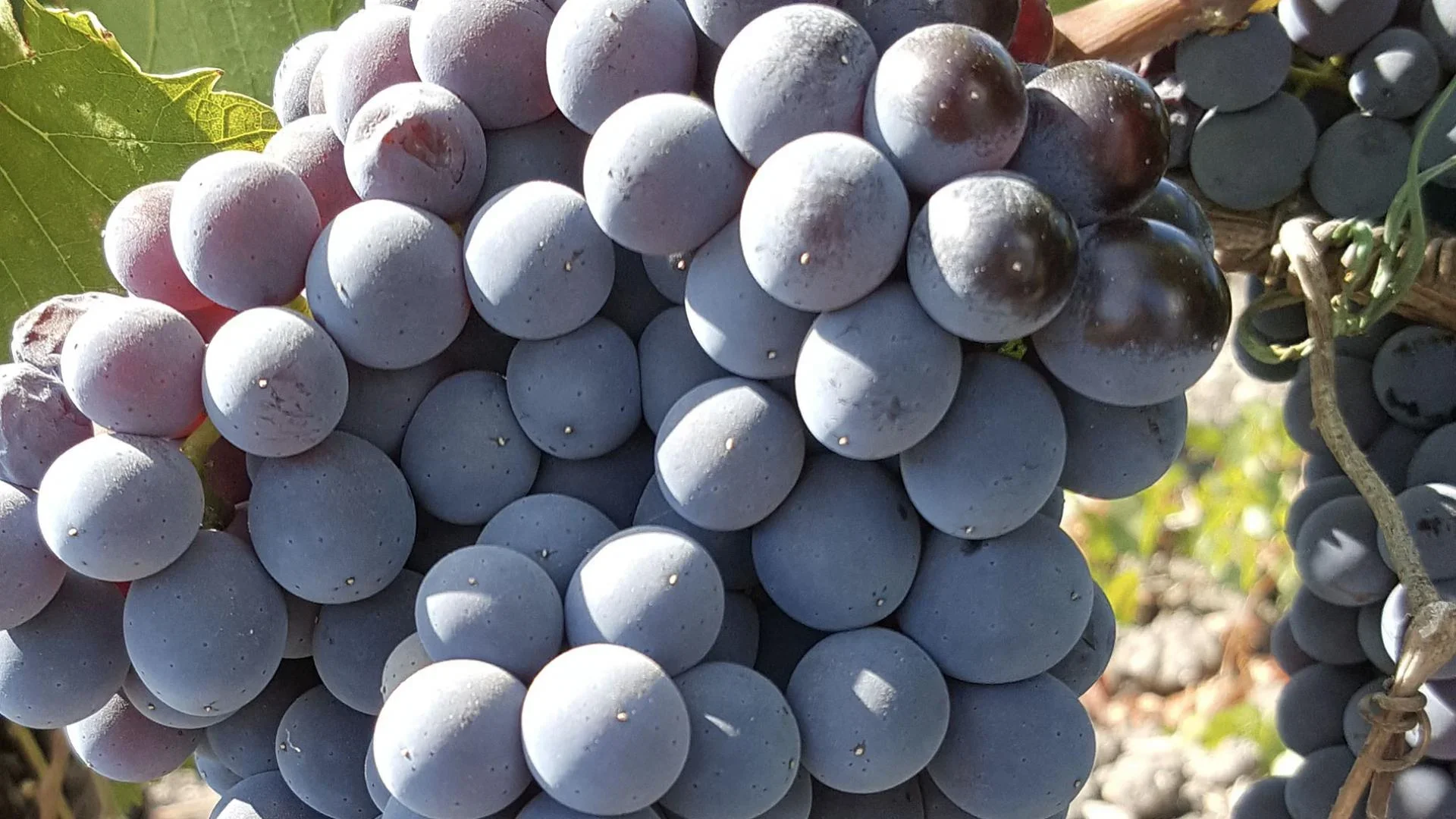
History and Origin: Perricone, also locally known as Pignatello, is a native red grape variety with a fascinating and tumultuous history. Predominantly found in western Sicily, it was the most important grape in the provinces of Trapani and Palermo in the 19th century, serving as a crucial component in Marsala Rubino, the red variant of the famous fortified wine, where it provided elegance and tannins for aging. The late 1800s marked its golden era when it became the most widely cultivated red grape in western Sicily. Unfortunately, its fortunes declined drastically with the phylloxera epidemic at the end of the century and the crisis of Marsala wine, leading to reduced demand for red grapes. Throughout the 20th century, Perricone survived only in small pockets, overshadowed by more productive and resistant varieties. Only recently, in the late 20th century and even more in the 2000s, Sicilian winemakers rediscovered this "relic" grape, elevating its status by vinifying it as a varietal wine. Its exact origins remain mysterious, but the grape’s symbiosis with the terroir of Trapani and Palermo confirms its indigenous nature. One theory suggests its name originates from the noble Spanish family "Pericone," who settled near Palermo centuries ago. The nickname "Pignatello" clearly comes from "pignatidare," the local term for red clay soils (used historically for pottery) typical of Trapani, ideal for cultivating this grape.
Characteristics and Aromatic Profile: Perricone produces wines of significant elegance and aromatic complexity. Its color is ruby with youthful violet reflections, turning garnet with age. The aroma distinctly features ripe red fruits—marasca cherries, berries, and especially plum—combined with a rich spicy bouquet of black pepper, licorice, and subtle juniper notes, lending a recognizable balsamic character. On the palate, Perricone impresses with harmony: soft, yet noticeable tannins, a full but not heavy body, integrated alcohol, and a long, enveloping finish. Compared to its cousin Nero d’Avola, Perricone tends to be less alcoholic, more delicately aromatic, with a characteristic bitter almond finish. Its moderate acidity provides freshness, resulting in a refined red capable of developing intriguing tertiary notes with bottle aging.
Production Areas and Terroir: Historically associated with western Sicily, Perricone’s largest vineyards today lie in the provinces of Trapani (particularly around Marsala) and Palermo, with smaller plantings in Agrigento and Caltanissetta. Recently, a few hectares have appeared even in eastern Sicily (Messina area), reflecting renewed interest. Ideal terroirs include medium-altitude (200-400 meters), clay-rich hills, typical of Trapani. It thrives in Sicily’s hot, dry climate, showing remarkable drought resistance. However, it remains vulnerable to phylloxera and sometimes suffers inconsistent yields due to flower dropping. The vines exhibit medium-high vigor with medium-sized, conical bunches and thick-skinned, bluish-black grapes that resist fungal diseases and tolerate high temperatures well. The nickname "Pignatello" highlights its connection to Marsala’s iron-rich clay soils, historically used for pottery.
Typical Winemaking Techniques: Traditionally used in blends like Marsala Rubino and Contea di Sclafani DOC, Perricone is increasingly vinified as a single-varietal wine to showcase its distinctive qualities. Harvest typically occurs in late September, with controlled macerations to manage tannins. The wine often ages 6-12 months in medium-sized oak barrels, softening tannins and adding notes of cocoa, tobacco, and leather. Some producers prefer stainless steel for fruitier, youthful versions. Experimentation with rosé production is emerging due to its attractive color. Generally, producers favor methods highlighting elegance, including slightly cooler fermentation temperatures and moderate aging periods.
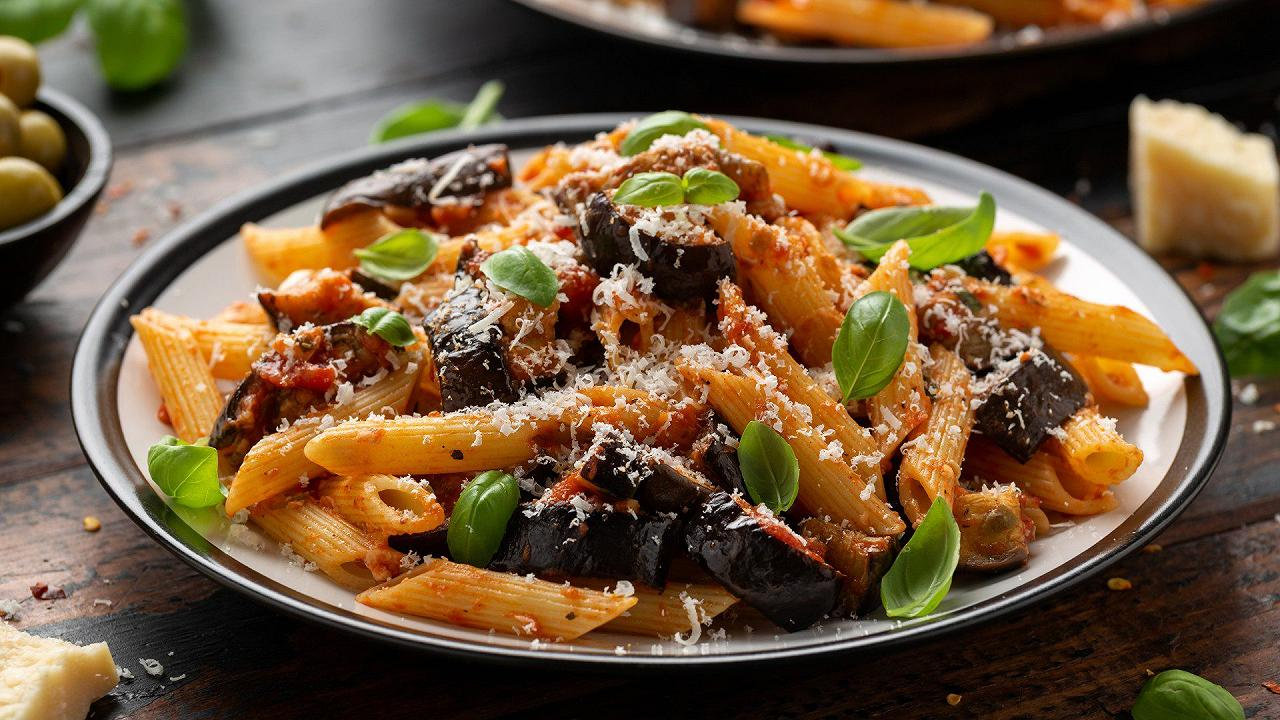
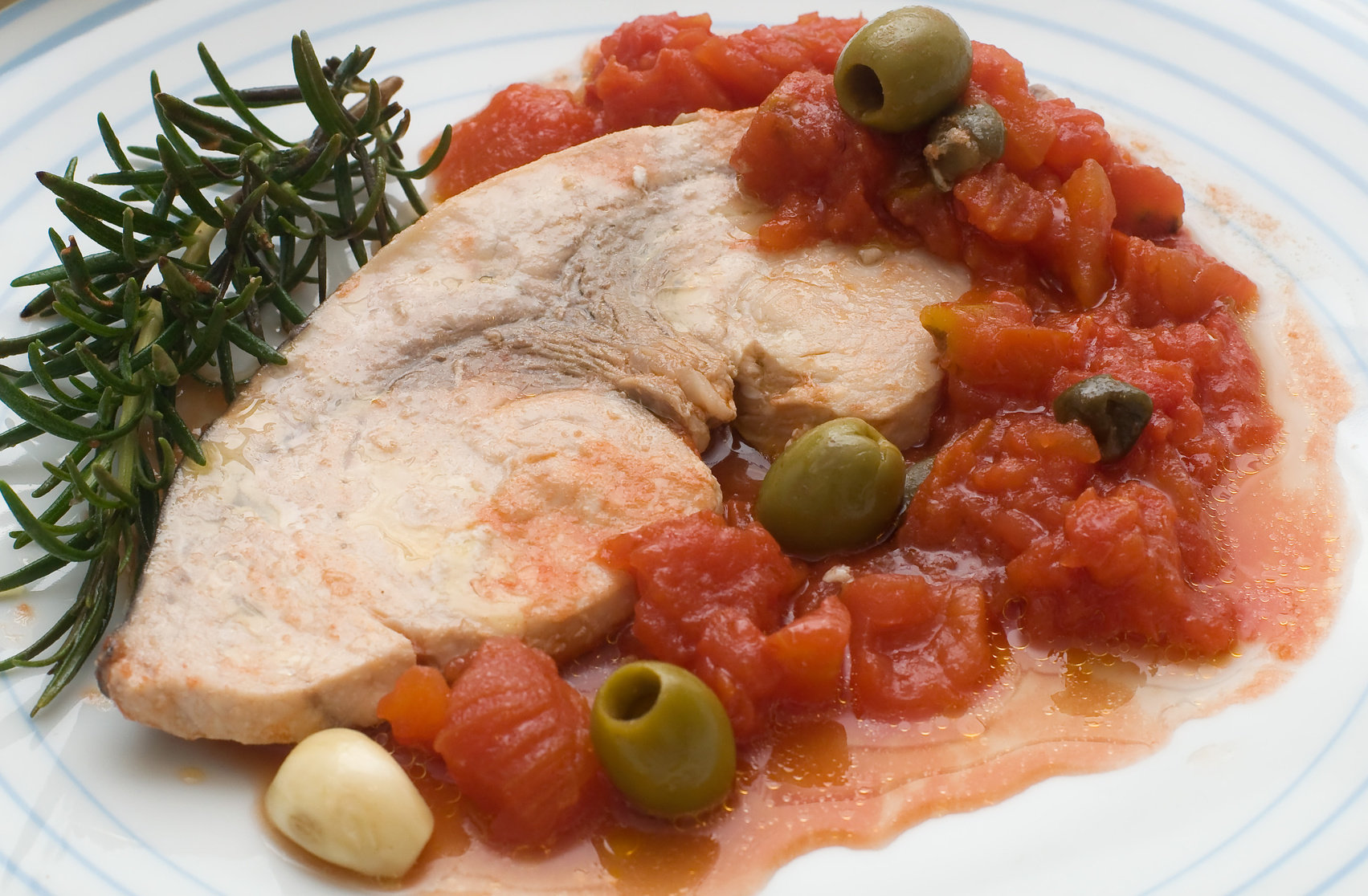
Food Pairings: Perricone wines are surprisingly versatile at the table. Younger, lighter versions pair well with legume soups, vegetable-based dishes, and classic Sicilian pastas like pasta with sardines or pasta alla Norma, complementing without overpowering flavors. More mature and structured Perricone wines beautifully accompany red meats (braised dishes, slow-cooked beef, grilled lamb chops) and medium-aged cheeses, especially semi-aged Sicilian pecorino. A traditional pairing to try is Sicilian beef involtini (rolled beef filled with breadcrumbs, raisins, and pine nuts), where the wine enhances the sweet-savory filling with its spicy notes. Perricone also pairs intriguingly with seafood "land" dishes—such as tuna or swordfish cooked in tomato sauces—thanks to its savory notes and Mediterranean herbal nuances (juniper, myrtle).
Curiosities: Perricone carries charming stories, such as its nickname “wine of pots” referencing Trapani’s pottery tradition—where clay-rich soils simultaneously supported pottery-making and flourishing Perricone vineyards, symbolizing a union of ceramics and wine. DNA analysis recently suggested surprising genetic links with other Italian grape varieties. Long confused with similar grapes (like Campania’s Guarnaccia) due to its synonyms (Guarnaccio, Tuccarino), Perricone has now reclaimed its distinct identity. Tasting Perricone today evokes Sicily's vibrant 19th-century past, when its intense wines enriched Marsala enjoyed across European courts.
Nerello Mascalese: Etna in a Glass
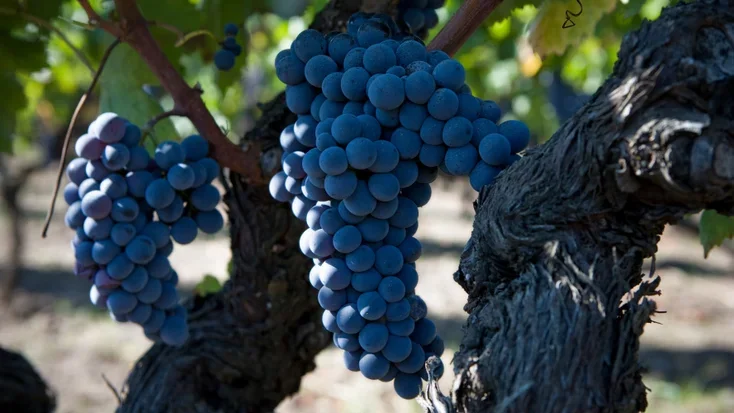
History and Origin: Ascending the slopes of Mount Etna, we encounter Nerello Mascalese, a native red grape variety producing some of Sicily's most distinguished wines. Its origins trace back to the volcanic soils of Etna, particularly the historical area known as the Mascali Plain, an agricultural region between Mount Etna and the Ionian Sea. Historically, it has been cultivated here for centuries. The name "Mascalese" comes directly from this area, reflecting centuries-old cultivation practices on sandy volcanic soils. The grape’s character has historically been attributed to the volcanic terrain itself. Throughout the 20th century, Etna wines were largely sold in bulk or blended into northern Italian wines, but since the early 2000s, Nerello Mascalese has gained recognition as a premium single-varietal wine. Today, it prominently features in Etna DOC wines and also appears in Faro DOC from Messina.
Characteristics and Aromatic Profile: Nerello Mascalese wines possess remarkable finesse, often drawing stylistic comparisons to Nebbiolo or Pinot Noir. They display a bright, ruby color that evolves toward garnet hues with age. Aromatically, the wines express vibrant notes of wild strawberries, cherries, and pomegranate, alongside floral nuances of violets and dried roses, hints of Mediterranean herbs, and distinct mineral touches of graphite and volcanic ash. With age, they develop complex layers of sweet spices, tobacco, and damp earth. On the palate, Nerello Mascalese is elegantly structured, with balanced alcohol (13-14%), refined tannins, vibrant acidity, and remarkable terroir expressiveness. Its subtle aromas and mineral-driven finish reflect the volcanic landscape vividly, showcasing even subtle differences in soil and altitude.
Production Areas and Terroir: The heart of Nerello Mascalese cultivation lies on Mount Etna, with vineyards ascending up to 1,000 meters above sea level. Ideal conditions occur on well-draining volcanic sandy soils, characterized by significant diurnal temperature variation and minimal rainfall. The most prestigious vineyards lie on Etna's northern slope, notably around Castiglione di Sicilia and Randazzo. Here, unique techniques such as partially buried vines ("alberello" training) help vines withstand harsh environmental conditions. Although small plantings now appear in other Sicilian regions (Messina, Palermo, Agrigento), Etna’s volcanic soils uniquely define Nerello Mascalese’s distinctive identity.
Typical Winemaking Techniques: Winemaking for Nerello Mascalese follows principles akin to those of premium age-worthy reds. Grapes are late-ripening, typically harvested in late September to early October. Controlled macerations extract balanced tannins without overpowering aromas. Traditional aging takes place in large oak or chestnut barrels for 1-3 years, enhancing elegance without excessive oak influence. Many producers prefer minimal intervention methods, including low-temperature fermentations and bottle aging, further refining the wine’s complexity. High-quality Nerello Mascalese wines can age gracefully for 10-15 years, developing sophisticated tertiary aromas. Although regulations permit blending with up to 20% Nerello Cappuccio, producers increasingly opt for 100% Nerello Mascalese to emphasize its expressive purity.
Food Pairings: The elegance and moderate structure of Nerello Mascalese make it highly versatile. Pairing wonderfully with earthy Etna dishes such as sautéed porcini mushrooms, grilled fennel sausage, or medium-aged pecorino cheeses, it's also exceptional with delicately roasted meats like lamb seasoned with herbs or rabbit. Its acidity balances the richness of Sicilian dishes like pasta alla Norma. Surprisingly versatile with seafood, Nerello Mascalese complements seared tuna with sesame, baked swordfish with tomatoes, or even moderately spicy Asian cuisine, creating harmonious flavor interactions. Essentially, this mountain red pairs beautifully with dishes that highlight both the land and sea.
Curiosities: In 1928, the town of Mascali—lending its name to Nerello Mascalese—was largely destroyed by volcanic eruption, yet the vineyards emerged revitalized, including ancient pre-phylloxera vines. This resilience highlights the vine's adaptation to volcanic adversity. Recent DNA analyses confirm that Nerello Mascalese and Nerello Cappuccio, despite similar names, are not closely related. Additionally, Nerello Mascalese's international acclaim has spread far beyond Sicily, inspiring vineyard experimentation in California and Australia. Today, tasting Nerello Mascalese transports wine lovers directly to the rugged, volcanic landscapes of Mount Etna.
Grillo: The Grape of Marsala’s Sun and Wind
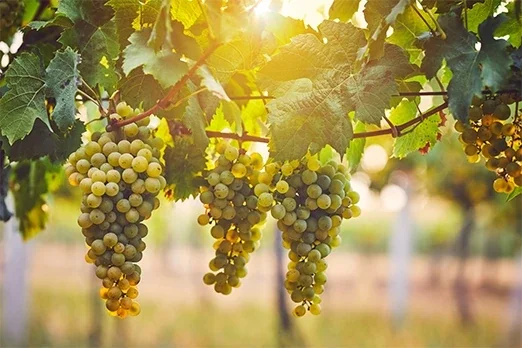
Bush-trained Grillo vineyard on Mozia Island, in Marsala's Stagnone lagoon. Low, sparse plants withstand hot winds.
History and Origin: Grillo, a white grape variety emblematic of western Sicily, is renowned for its crucial role in Marsala wine. Its origins are unique, resulting from a deliberate crossbreeding conducted by Baron Antonino Mendola in 1873, combining Zibibbo (Moscato di Alessandria) and Catarratto Bianco. Mendola aimed to create a grape capable of enriching Marsala wines with aromatic depth and structure, especially following the devastation of phylloxera. Initially named "Moscato Cerletti" after enologist Giovanni Battista Cerletti, local growers soon adopted the simpler name "Grillo," possibly inspired by the cheerful summer sound of crickets ("grilli" in Italian). Following Marsala’s post-war decline, Grillo vineyards decreased significantly until renewed interest emerged in the 1990s, revealing its potential as a fine dry white wine. Today, Grillo thrives primarily in northwestern Sicily, notably around Trapani, Palermo, and Agrigento.
Characteristics and Aromatic Profile: Grillo produces straw-yellow wines with luminous golden reflections. Aromatic profiles vary by biotype: some express vibrant citrus notes (grapefruit, lemon) and white flowers (orange blossom, hawthorn), while others highlight floral, honeyed nuances (broom, chamomile, acacia honey, vanilla). It typically combines a delicate fragrance with considerable intensity, often showcasing hints of tropical fruits (mango, white melon) and Mediterranean herbs. The palate features pronounced mineral salinity—often marked by coastal proximity—and balanced freshness. Grillo achieves naturally high alcohol levels (13% and above) due to its concentrated sugars, granting surprising aging potential for a Mediterranean white. Two main clones exist: Grillo A, fresh and citrusy, and Grillo B, more structured with honeyed richness.
Production Areas and Terroir: Grillo’s ideal territory is Trapani, the Marsala wine cradle, characterized by a hot, dry climate influenced by frequent Scirocco winds. Chosen for drought and heat resilience, it thrives in dry, windy conditions, typically grown as bush vines or low trellises on sandy-clayey coastal plains. Originally cultivated by Mendola near Agrigento, Grillo is now widely planted across Trapani, forming the base of DOC Sicilia and Alcamo whites. Smaller plantings exist in Palermo, Agrigento, and even Apulia and Basilicata, though Sicily’s Mediterranean climate best highlights Grillo’s aromatic and mineral qualities.
Typical Winemaking Techniques: Initially used for fortified Marsala blends, contemporary Grillo vinification favors dry whites. Gentle pressing and controlled-temperature fermentation in stainless steel preserve its fresh citrus aromatics. Extended lees aging often enhances complexity (bread, creaminess), and some reserves age partially in acacia barrels for subtle vanilla undertones. A few producers experiment with traditional-method sparkling Grillo, exploiting moderate acidity and floral aromatics. Marsala producers still utilize Grillo significantly, appreciating its suitability for controlled oxidation. Techniques like partial drying or barrel maturation (perpetuum method) yield unique late-harvest dessert wines, showcasing Grillo’s versatility.
Food Pairings: Dry Grillo’s fruit-mineral combination makes it highly food-friendly. Fresh, youthful styles pair perfectly with seafood—red prawns, lobster, tartare, octopus salads, seafood couscous—and balance rich dishes like burrata or buffalo mozzarella. Structured versions suit baked pasta dishes, vegetable flans, substantial fish (amberjack, grouper), and white meats in flavorful sauces. Mature, honeyed Grillo complements roast turkey, sweet-and-sour rabbit, or Sicilian dishes like pasta with sardines. A classic pairing is artisanal tuna preserved in oil or tuna bottarga, highlighting Grillo’s savory edge. Overall, Grillo enhances Mediterranean cuisine featuring herbs, seafood, and aromatic elements.