Dear readers, today we take you on a journey to discover a unique and captivating place, where history, tragedy, and art intertwine in an unforgettable experience: Gibellina, a small town located in the province of Trapani, Sicily.
Gibellina is known for its ancient history and the archaeological finds that attest to the presence of ancient civilizations. However, the town is also a symbol of resilience and rebirth following the devastating earthquake of 1968, which almost completely destroyed it.
The earthquake, with a magnitude of 6.1 on the Richter scale, struck the Belice Valley, causing numerous casualties and extensive damage. The ruins of Old Gibellina are now an open-air museum, where one can admire the remains of ancient buildings and archaeological artifacts dating back to Roman times and the era of Greek colonies. Among these, the remains of a Roman villa and fragments of ceramics and sculptures stand out, narrating the stories of a people capable of facing and overcoming adversity.
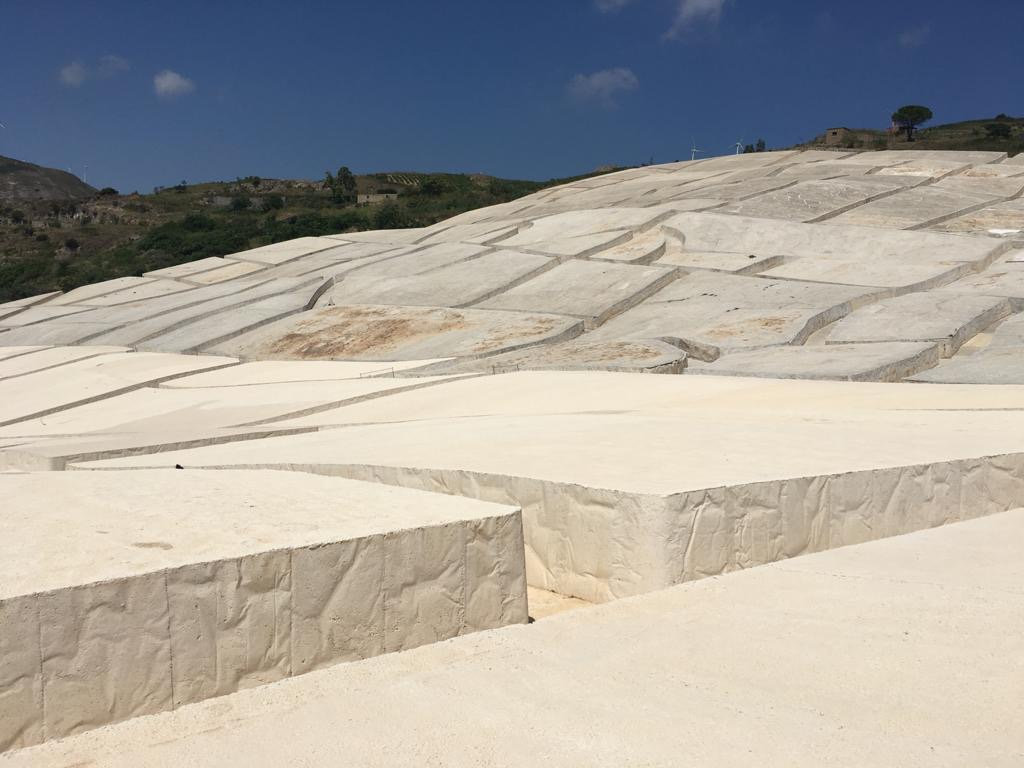
But Gibellina's strength lies not only in its past but also in its ability to reinvent itself and transform tragedy into art. The artist Alberto Burri contributed to the town's reconstruction by creating the "Grande Cretto", a monumental and evocative artwork that covers the ruins of old Gibellina with a network of white concrete.
The Grande Cretto is a true masterpiece symbolizing the resilience of a people and their will to move forward, despite challenges. Every crack, every fissure tells a story, a pain, a hope.
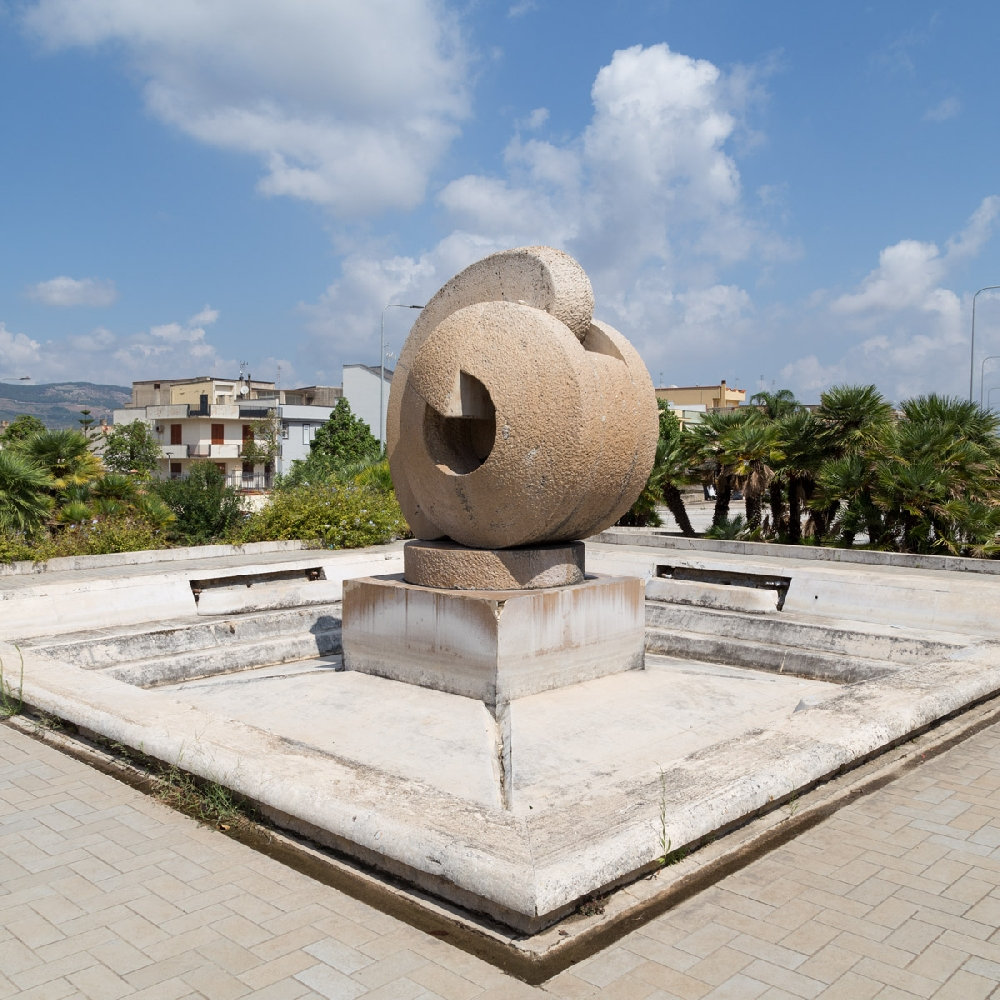
Today, New Gibellina stands a few kilometers away from the old town, welcoming visitors with modern and innovative architecture. Thanks to the contributions of internationally renowned artists and architects like Burri, Renzo Piano, and Pietro Consagra, the town has become a cultural hub and an example of urban rebirth.
We invite you to visit Gibellina and immerse yourself in this captivating story of resilience, art, and culture. With every step you take among the archaeological finds, Burri's creations, and the streets of New Gibellina, you will discover a place where the past and present meet and merge, creating a unique and unforgettable atmosphere.
New Gibellina, a city rising from the ashes of the 1968 earthquake, stands as a poignant example of how art and architecture can aid in the rebirth of a community. Located about 20 kilometers from Old Gibellina, this town has evolved into a significant cultural and artistic hub, thanks to the vision of artists and architects actively involved in its reconstruction.
The urban plan for New Gibellina was conceived by architect Ludovico Quaroni and is notable for its orthogonal layout, featuring broad streets and open spaces. The aim was to establish a modern, functional city capable of welcoming Gibellina's inhabitants and offering them a fresh start.
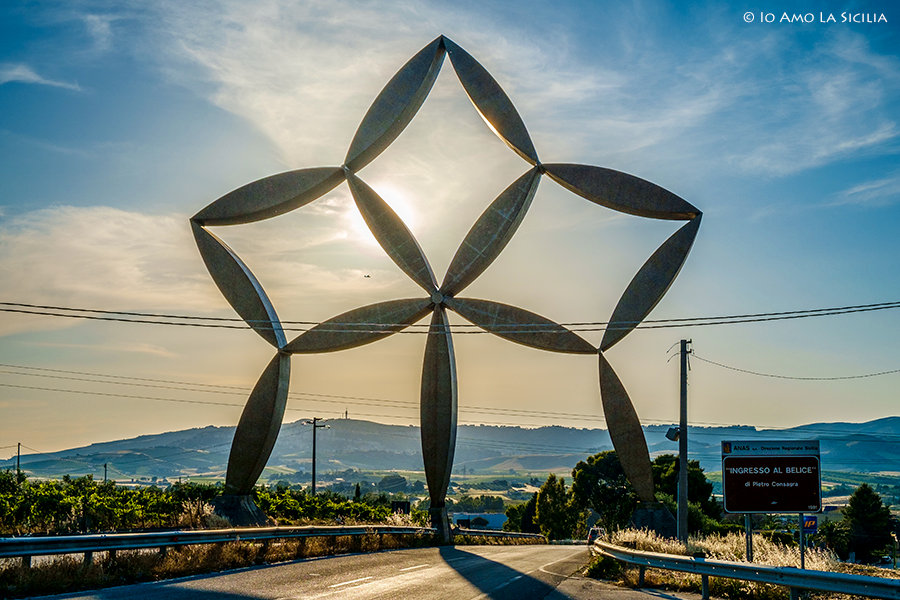
The artworks and architectural marvels of New Gibellina symbolize hope and rebirth. Among the most significant contributions is the Mother Church of Gibellina, designed by Italian architect Paolo Portoghesi. The building, distinguished by its unique star shape, has become an icon of the city, representing the faith and strength of the local community. The Sculpture Park, envisioned by artist Pietro Consagra, is another major attraction of New Gibellina. The park showcases numerous contemporary artworks by internationally renowned artists, including Mimmo Paladino, Arnaldo Pomodoro, and Nino Mustica. This space stands as a testament to the city's artistic vitality and its forward-looking spirit. New Gibellina also hosts a variety of cultural events and artistic exhibitions throughout the year. The most renowned among these is the Orestiadi, an international festival of theater, music, dance, and visual arts held every summer, featuring artists from around the globe. The Orestiadi celebrates Mediterranean culture and the dialogue between diverse artistic traditions, further solidifying New Gibellina's role as a hub for cultural exchange and creativity.