Explore the enchanting settings of Sicily that graced your screens in "The White Lotus" Season 2 with our latest travel guide. Wander through the ancient corridors of Taormina, bask on the pristine sands of Cefalù, and uncover the secrets of Palermo's aristocratic past.
This blog post will take you on a visual and cultural tour of the picturesque locations featured in the show, providing a deeper understanding of how these places contribute to the storytelling. Join us as we trace the paths of the series' intriguing characters through the heart of Sicily, discovering both renowned and hidden gems along the way.
The White Lotus locations in Taormina
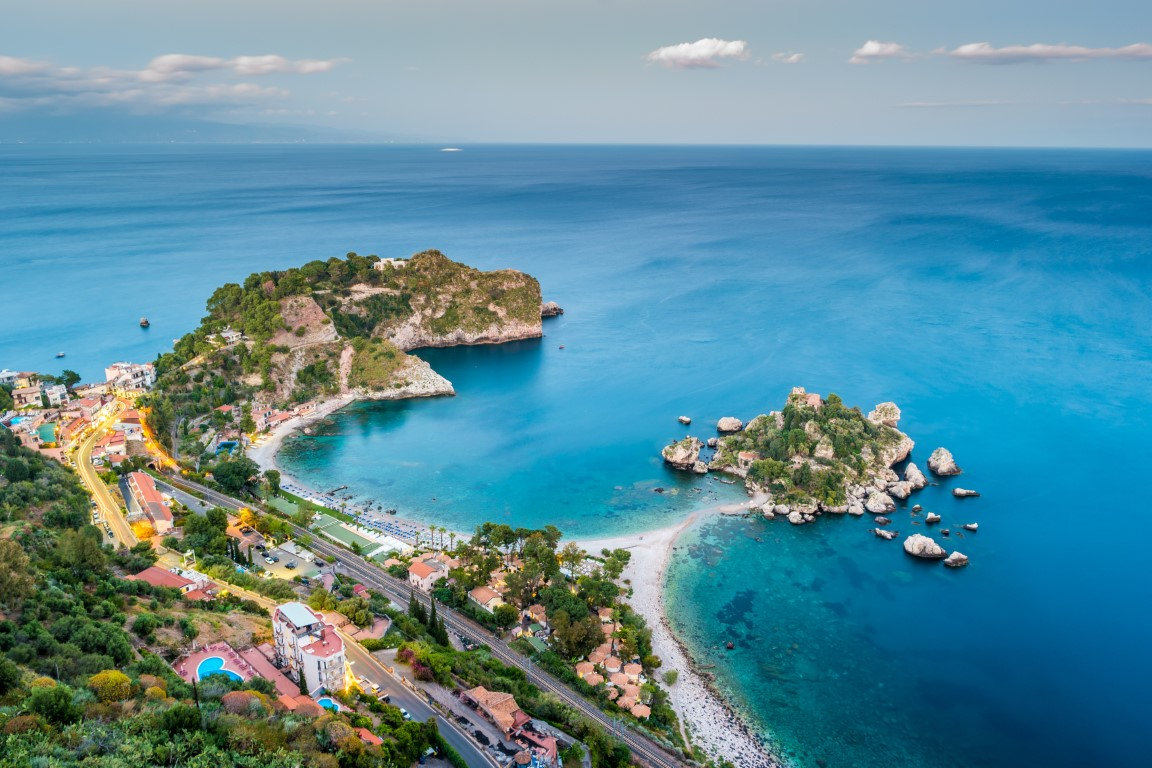
Perched on the hills of the east coast of Sicily, Taormina is a town of extraordinary beauty. It’s a place where ancient Greek ruins meet medieval charm and modern sophistication. The town's streets are a labyrinth of picturesque pathways winding between old stone houses adorned with bougainvillea and quaint shops offering artisanal crafts and local delicacies.
At the heart of Taormina is the Teatro Greco, an ancient Greek theatre so well-preserved it still hosts performances, allowing visitors to bask in live art the way spectators did millennia ago. The theater’s stage boasts a breathtaking backdrop: the Ionian Sea and the smoky silhouette of Mount Etna.
The main street, Corso Umberto, is a bustling vein of activity where the flavors, sounds, and scents of Sicily come alive. Cafes and gelaterias spill onto the pavements, and from Piazza IX Aprile, visitors can enjoy panoramic views that extend to the Calabrian coast.
Beyond the historical allure, Taormina's charm is also natural. Isola Bella is a testament to this—a nature reserve connected by a slender beach, it’s a haven for snorkelers and sunbathers. With the clear waters of the Ionian Sea lapping at its shores and the warm Sicilian sun above, Taormina is not just a feast for the eyes but the soul as well. It's a place where the grandeur of history meets the luxury of the present, making it a timeless retreat for all who visit.
The Hotel San Domenico Palace
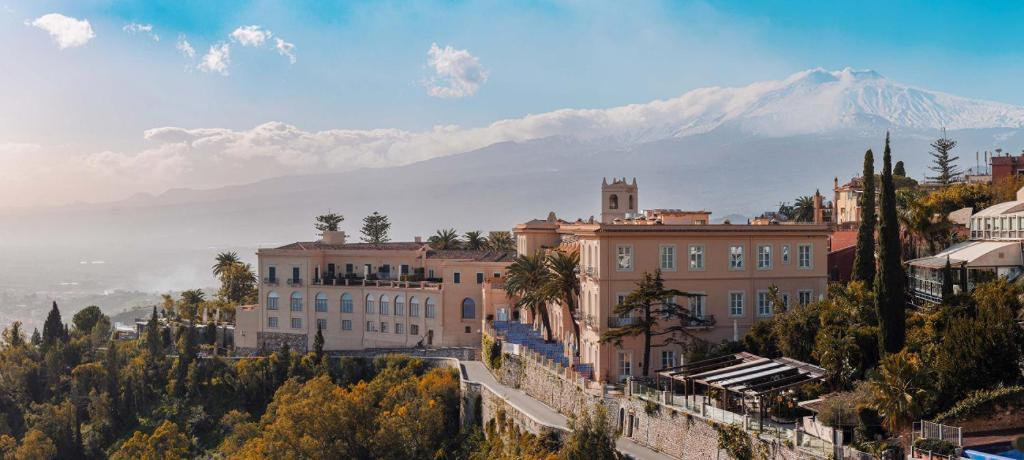
The Hotel San Domenico Palace in Taormina, originally a 14th-century monastery, combines historic splendor with modern luxury, making it a fascinating setting for "The White Lotus" Season 2. After undergoing extensive renovations, this hotel now features elegantly appointed rooms and suites, each offering breathtaking views of the Ionian Sea or lush Italian gardens. The hotel's cloisters and ancient architectural elements have been preserved, providing a unique blend of historical authenticity and contemporary comfort. Its location in the heart of Taormina ensures that guests are just a stroll away from the town's other historic sites and vibrant cultural life.
The Teatro Greco in Taormina
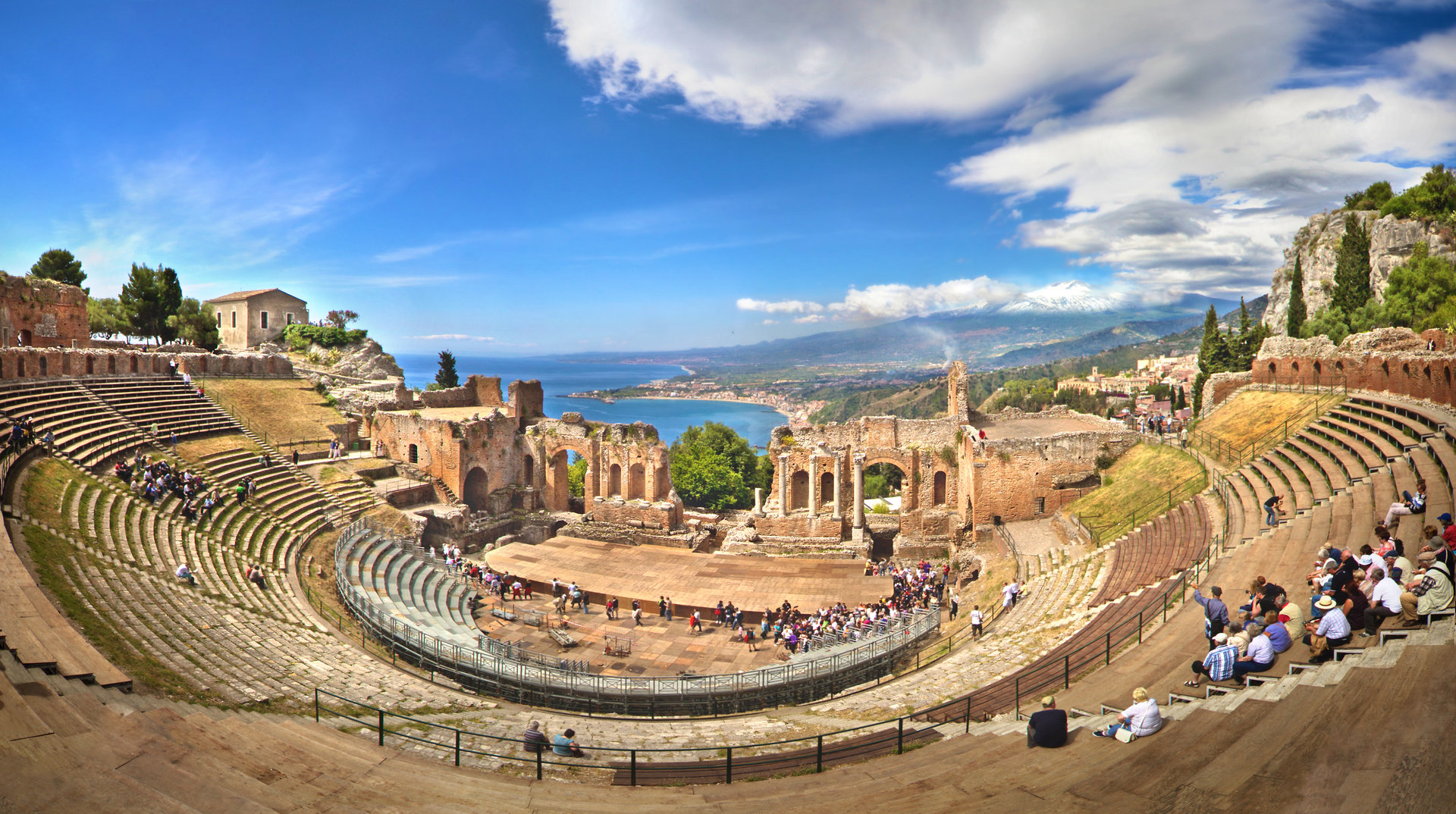
The Teatro Greco in Taormina is not only a monument of historical importance but also a remarkable example of Greek architectural ingenuity that dates back to the third century BC. This amphitheater, carved into the hillside of Taormina, offers a spectacular view of the Ionian Sea and Mount Etna, creating a dramatic and picturesque setting. It was originally designed for dramatic performances and has undergone several Roman modifications, which included adaptations for gladiatorial games. Today, it continues to serve as a vibrant cultural venue, hosting concerts, operas, and theatrical performances, making it a live testament to Sicily’s enduring cultural heritage.
Isola Bella
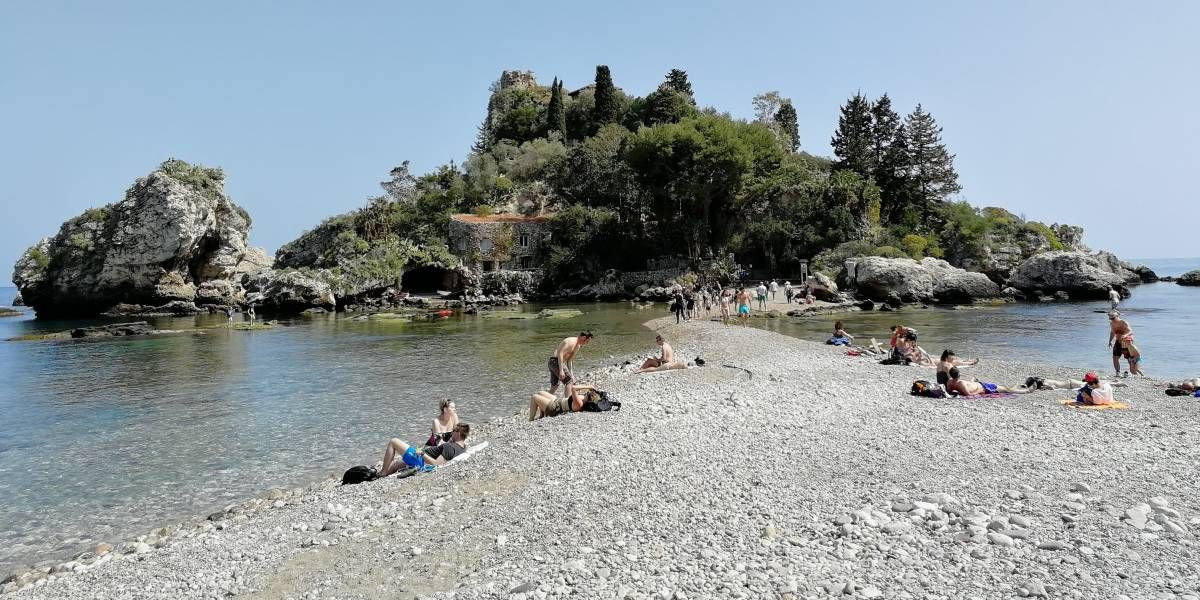
Isola Bella, often referred to as the 'Pearl of the Ionian Sea,' is a small island located near Taormina, Sicily. This charming islet is connected to the mainland by a thin strip of beach that can be covered by water depending on the tide. Surrounded by clear, blue waters, Isola Bella is a nature reserve that boasts a rich biodiversity, including various species of birds and vibrant marine life. The island itself is lush with vegetation, featuring a variety of Mediterranean flora. Its picturesque beauty makes it a popular spot for swimming, snorkeling, and simply enjoying the stunning views of the surrounding seascape.
Unahotels Capotaormina
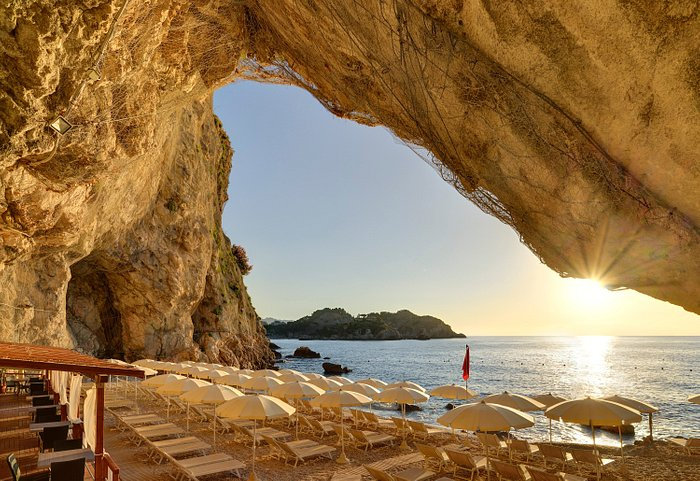
Unahotels Capotaormina is exquisitely nestled on a rocky promontory in Sicily, offering panoramic views that stretch from the Bay of Naxos to Mount Etna. The hotel is renowned for its stunning location that seems to float between the sea and the sky. This luxurious resort provides a tranquil escape with its private beach, elegantly designed rooms, and a seawater swimming pool carved out of the rock. The architecture is a seamless blend of traditional charm and modern amenities, making it an ideal spot for relaxation and contemplation amidst breathtaking natural beauty.
Corso Umberto and Piazza IX Aprile Taormina
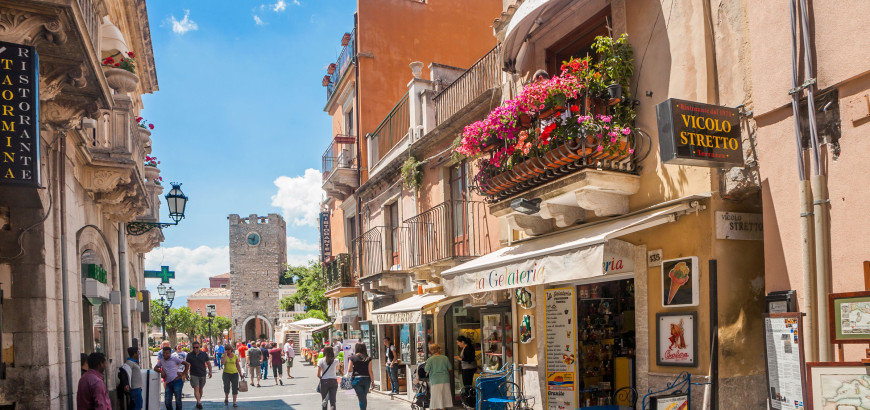
Corso Umberto and Piazza IX Aprile are two of the most vibrant and picturesque locations in Taormina. Corso Umberto, the main street, is bustling with a variety of shops, cafes, and boutiques, offering a lively atmosphere that captures the essence of Sicilian street life. Piazza IX Aprile, on the other hand, is a popular gathering place known for its breathtaking views of Mount Etna and the Ionian Sea. This square is framed by historic buildings and churches, providing a scenic spot for both locals and tourists to enjoy.
The White Lotus locations in Noto
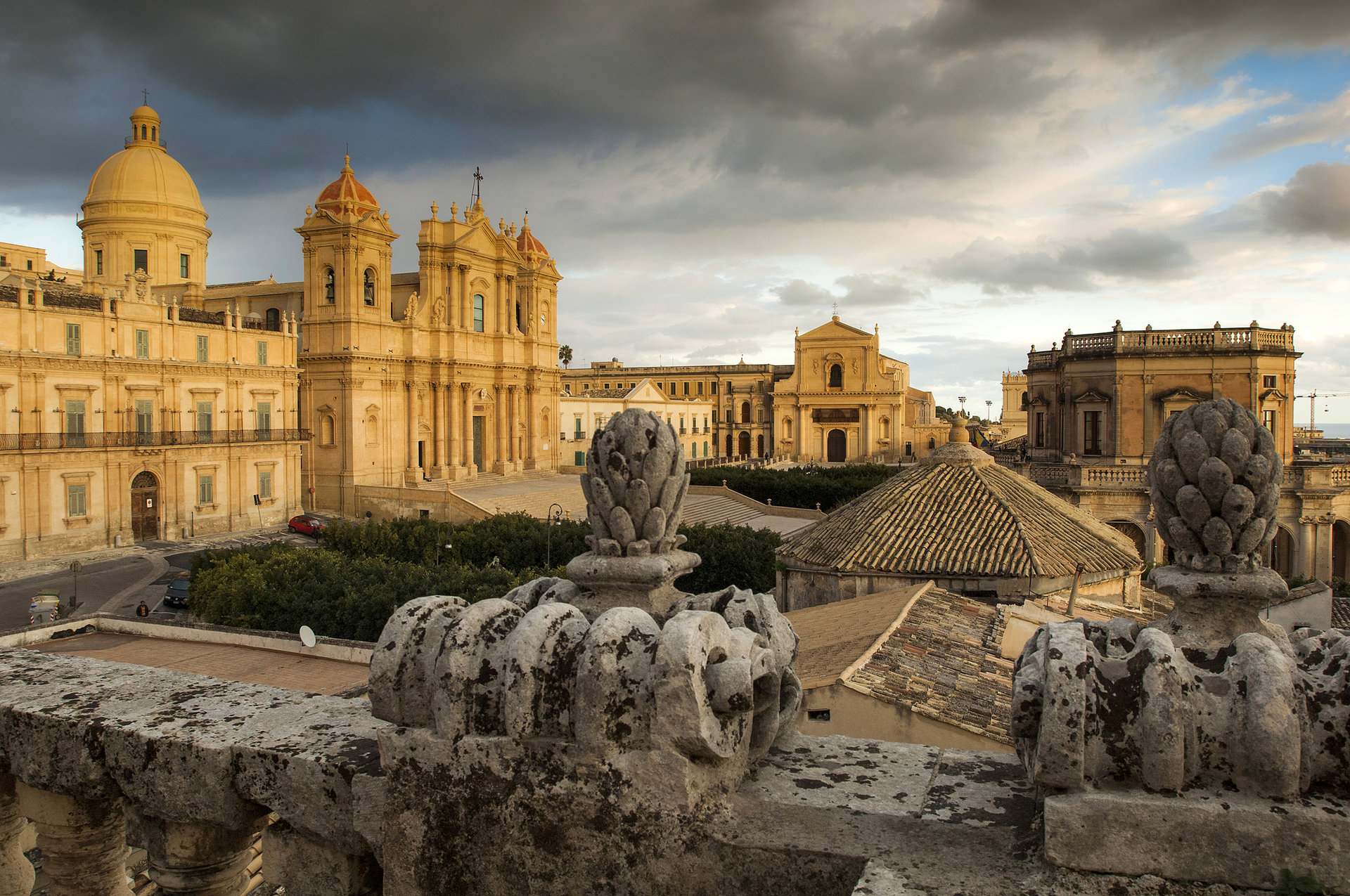
Noto is a baroque wonder nestled in the southeastern corner of Sicily, renowned for its honey-colored limestone buildings that seem to glow in the warm Mediterranean sun. This town is often referred to as an open-air museum, a testament to the mastery of baroque art and architecture. After a devastating earthquake in 1693, Noto was meticulously rebuilt, resulting in the uniform and grandiose architectural style that captivates visitors today.
Strolling through the streets of Noto is like walking through the pages of history. The city's layout is a triumph of baroque planning—wide, straight boulevards flanked by aristocratic palazzos with their ornate balconies and sumptuous façades. The Corso Vittorio Emanuele, Noto's main street, is a parade of architectural gems, leading to the heart of the town, where the magnificent Cattedrale di San Nicolò soars into the sky, its recently restored dome serving as a beacon above the town's skyline.
The cathedral’s steps are a popular gathering place for both locals and tourists, an ideal spot for absorbing the atmosphere and admiring the surrounding buildings, like the Palazzo Ducezio, with its elegant neoclassical façade. As the sun sets, the limestone takes on a soft golden hue, creating a magical, almost ethereal ambiance.
Aside from its architectural wonders, Noto is also famous for its culinary offerings, with cafes and restaurants serving local delicacies like the sweet, almond-flavored granita, and dishes enriched with the freshest produce from the fertile Sicilian countryside.
Once a year, Noto bursts into vibrant color with the Infiorata festival, where the streets are carpeted with intricate designs made from flower petals—a celebration of the rebirth of the town and the arrival of spring.
Noto is not just a feast for the eyes but also a tribute to the resilience and artistic spirit of Sicily, offering a truly unforgettable experience steeped in beauty and tradition.
Villa Elena in Noto
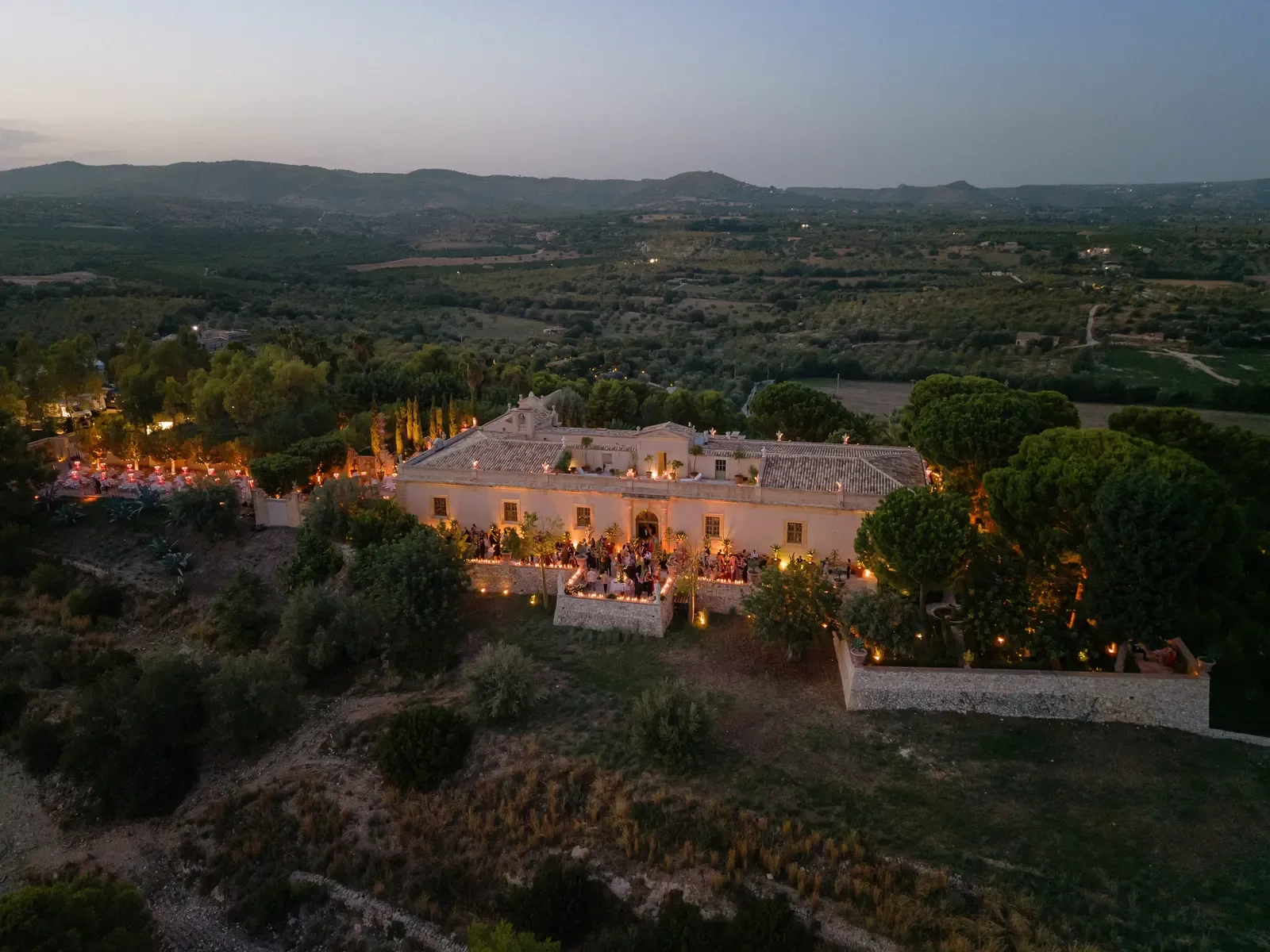
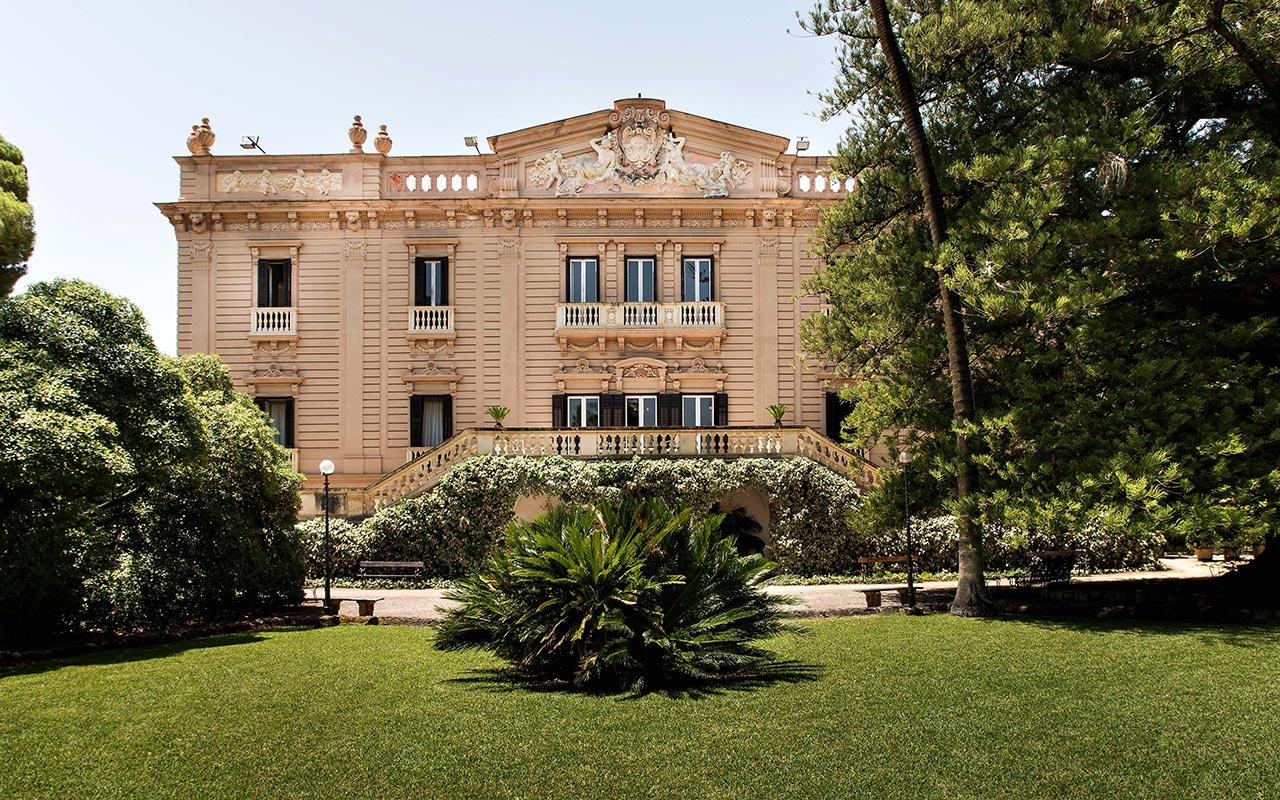
Villa Elena in Noto is a striking example of Sicilian architectural beauty, showcasing the elegance and grandeur typical of the region's estates. This villa, surrounded by lush gardens and ornate decorations, serves as a venue for various cultural and social events. Its interiors and exteriors both reflect the rich historical heritage of Sicily, making it a favored location for those seeking a picturesque and sophisticated setting. Villa Elena captures the essence of Sicilian luxury, combining historical charm with modern amenities to provide an unforgettable experience for its visitors.
The Chiesa di San Francesco in Noto
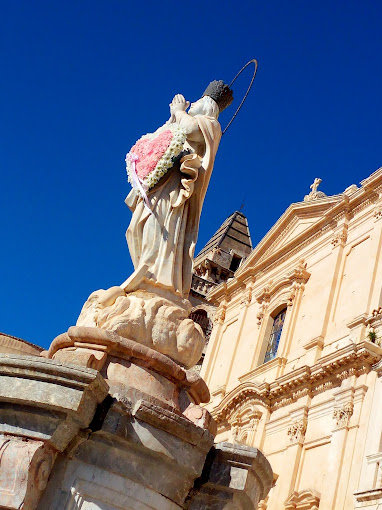
The Chiesa di San Francesco in Noto is a magnificent representation of Sicilian Baroque architecture. Renowned for its ornate façade, which features intricate sculptures and carvings, this church is a highlight of Noto's historical district. Inside, the church is just as elaborately decorated, with frescoes, stucco work, and a high altar that exemplify the Baroque style. The building radiates a spiritual and artistic heritage that is central to the identity of the town, making it a must-visit for those interested in art and history.
Cattedrale di San Nicolò
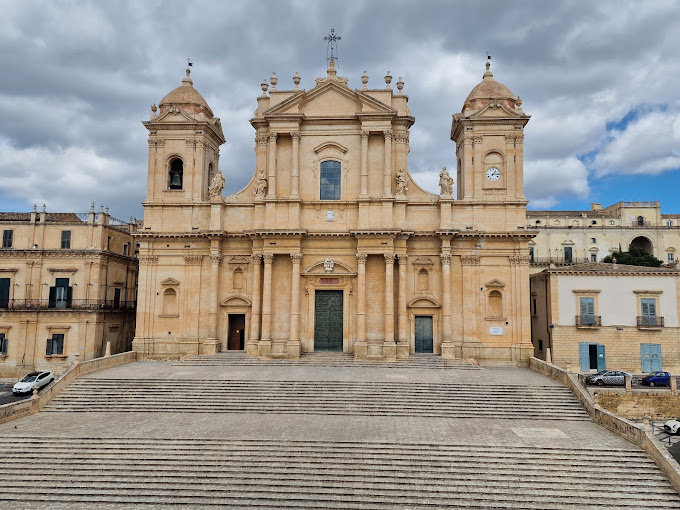
The Cattedrale di San Nicolò is the crowning jewel of Noto's architectural heritage, epitomizing the grandeur of Sicilian Baroque style. Reconstructed after the devastating earthquake of 1693, the cathedral features a façade adorned with statues and intricate stonework that impressively commands the city's skyline. The recently restored dome, after collapsing in 1996, now once again offers breathtaking views over Noto and the surrounding landscape. Inside, the cathedral's vast nave, adorned with fine art, creates a solemn and majestic atmosphere that attracts both worshipers and admirers of historical architecture.
Palazzo Ducezio
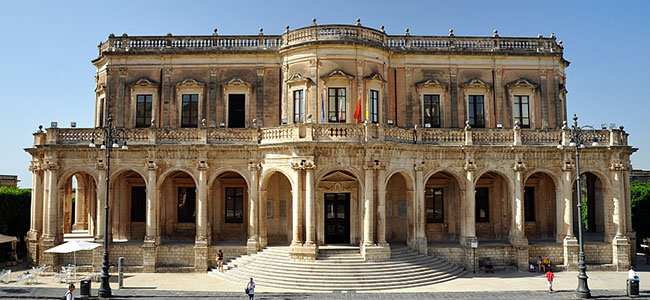
Palazzo Ducezio, serving as the Town Hall of Noto, is a masterpiece of neoclassical architecture. Named after the mythical founder of the city, the palazzo's façade is characterized by a series of arches and columns that demonstrate the neoclassical style's elegance and symmetry. Inside, the Hall of Mirrors is the most exquisite room, adorned with frescoes, gilded decorations, and luxurious furnishings that reflect the opulence typical of the Baroque period in Sicily. This hall is often used for civic ceremonies and cultural events, adding a functional grandeur to its historic splendor.
The White Lotus locations in Cefalù
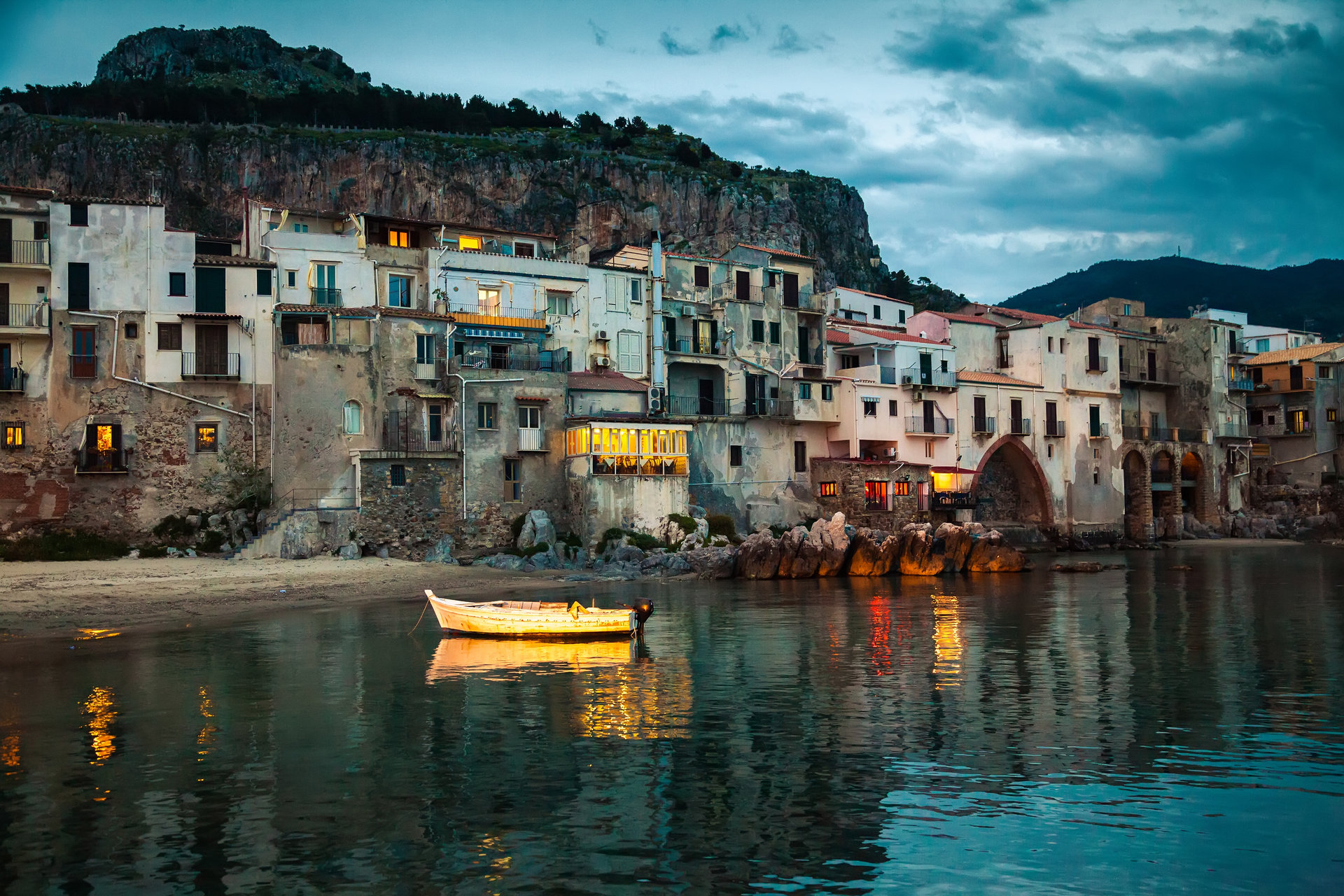
Cefalù is a coastal gem, a quaint and captivating town nestled between a rocky headland and a stretch of azure sea on Sicily's northern shore. It is a place where time seems to slow down, inviting visitors to savor every moment of its serene beauty. The town’s ancient streets, lined with medieval buildings, lead to the magnificent Norman cathedral, a testament to Sicily’s rich and diverse cultural tapestry, which fuses Arab, Byzantine, and Norman influences.
The cathedral's twin towers rise majestically above the town, while its mosaics, particularly the Christ Pantocrator, are a symbol of Sicilian artistry. Beyond the cathedral, the town unfolds in a labyrinth of narrow streets that cascade down to the waterfront, leading to the famous Lungomare, a promenade that offers stunning views of the Tyrrhenian Sea and the rugged La Rocca.
Cefalù’s beach is a sweep of golden sands, embraced by a warm sea, making it a beloved destination for sunbathers and swimmers. The waters here are calm and inviting, ideal for families and those looking to unwind by the seaside. As the sun sets, the town's colors warm to rich golds and pinks, casting a spellbinding light on the ancient stone walls.
Culinary enthusiasts delight in Cefalù's restaurants, where the catch of the day is always fresh, and the dishes are rich with Sicilian flavors—pasta con le sarde, caponata, and the sweet temptation of cannoli.
Cefalù is not merely a town but a feeling, a place where the charms of Sicilian life are lived and breathed, where history melds with the rhythm of the waves, and where each alleyway, each stone, tells a story of the Mediterranean soul.
The Beach of cefalù
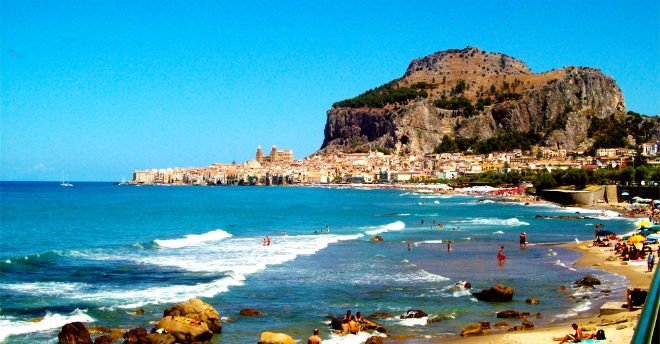
Spiaggia del Lido di Cefalù is a premier beach destination in Cefalù, renowned for its golden sand and crystal-clear waters. This beach stretches along the northern coast of Sicily, offering spectacular views of the Tyrrhenian Sea. It's a popular spot for sunbathing, swimming, and enjoying water sports, making it ideal for both relaxation and adventure. The beach is well-equipped with amenities including sun loungers, umbrellas, and nearby cafes and restaurants, providing a comfortable and enjoyable day at the seaside for visitors.
Piazza Marina of Cefalù
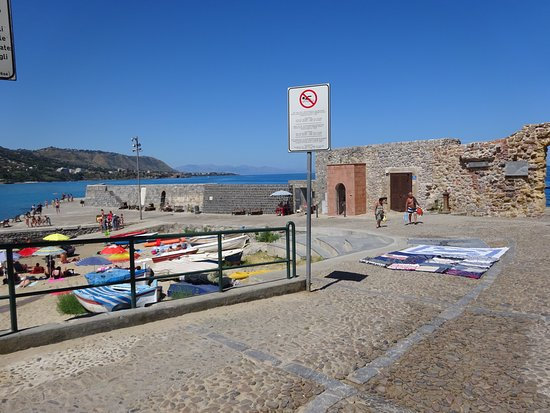
Piazza Marina in Cefalù is the social heart of the town, buzzing with activity and surrounded by historic architecture. This quaint square is a hub for locals and tourists alike, filled with charming cafes and small shops that offer a taste of local life. The square's intimate setting is perfect for enjoying a leisurely coffee or meal while soaking up the vibrant atmosphere. Throughout the year, Piazza Marina hosts various cultural and festive events, making it a key gathering place in Cefalù’s community life.
Duomo of Cefalù
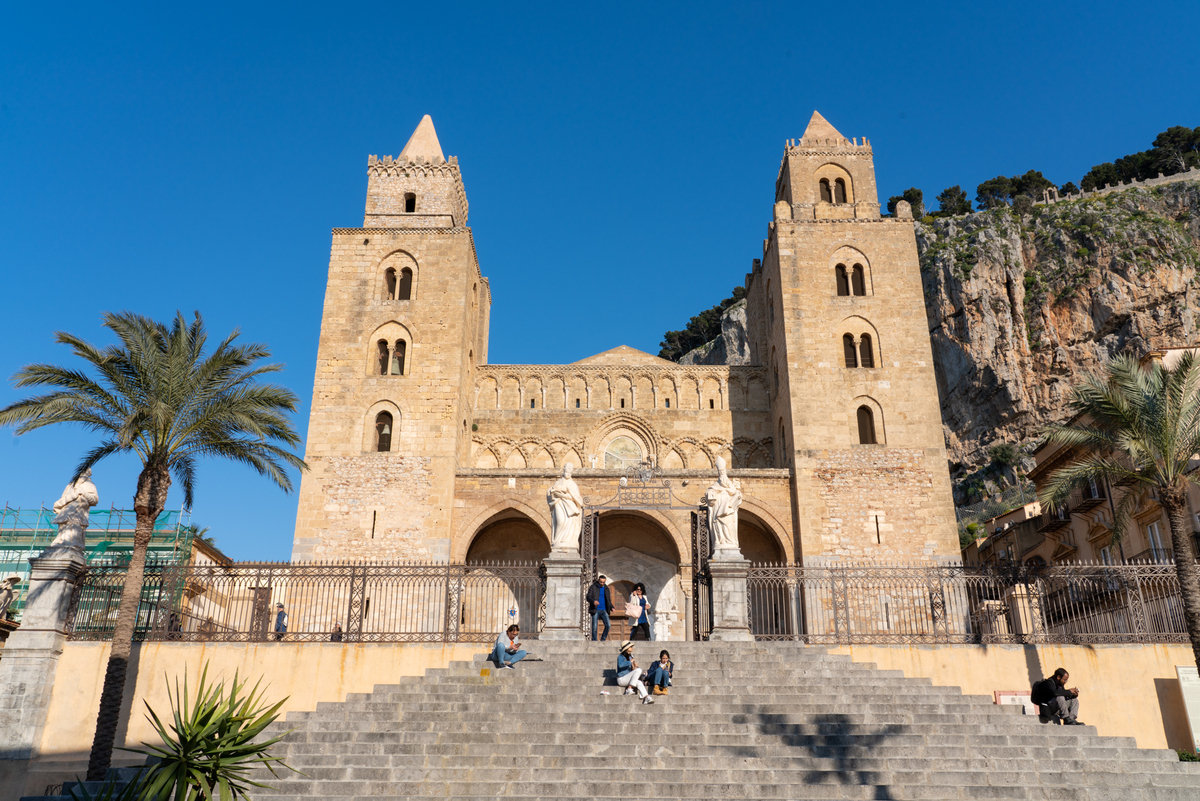
The Duomo di Cefalù, officially known as the Cathedral of Cefalù, is a stunning example of Norman architecture in Sicily. Constructed beginning in 1131 under the orders of King Roger II, it stands as a symbol of Norman power and religious devotion. The cathedral is renowned for its impressive twin towers and magnificent Byzantine mosaics, especially the Christ Pantocrator mosaic in the apse, which is one of the most celebrated in the world. Its grand façade overlooks the town, providing a majestic backdrop to the urban landscape of Cefalù.